
How Are the Seven Principles of Kwanzaa Practiced?
Many people know that Kwanzaa is celebrated from December 26 through January 1, but fewer realize that its Seven Principles (Nguzo Saba) were designed to be lived every day of the year. Rather than existing only as holiday traditions, the principles serve as a guide for building stronger families, healthier communities, successful businesses, and meaningful personal lives. Whether you're celebrating Kwanzaa for the first time or looking for ways to deepen your practice, this guide explores practical ways to live each principle in everyday life.
What Are the Seven Principles of Kwanzaa?
The Nguzo Saba are seven values introduced by Dr. Maulana Karenga in 1966, to encourage cultural identity, community responsibility, and collective progress. They are: Umoja (Unity), Kujichagulia (Self-Determination), Ujima (Collective Work and Responsibility), Ujamaa (Cooperative Economics), Nia (Purpose), Kuumba (Creativity), and Imani (Faith). Each principle is honored on one day during Kwanzaa, but they are intended to shape everyday decisions throughout the year.
1. Umoja (Unity) What does Umoja mean?
Unity encourages us to strengthen our relationships with family, friends, neighbors, and community.
How to practice Umoja every day:
-Eat dinner together without distractions.
-Hold weekly family meetings.
-Celebrate each other's accomplishments.
-Resolve conflicts respectfully.
-Volunteer together.
-Support local cultural events.
-Spend intentional time with elders.
Everyday example
Instead of everyone eating separately, a family gathers around the table each evening to discuss the best part of their day. That simple habit builds communication and trust.
2. Kujichagulia (Self-Determination)
Self-determination means defining yourself rather than allowing others to define you.
Ways to practice Kujichagulia:
-Set personal goals.
-Learn African and African American history.
-Start your own business.
-Speak positively about yourself.
-Teach children confidence.
-Make decisions based on your values.
-Develop new skills.
Everyday example
A student chooses a career path based on personal passions instead of peer pressure.
3. Ujima (Collective Work and Responsibility)
What does Ujima mean? Working together to solve shared problems.
Ways families and communities practice Ujima:
-Share household chores.
-Help neighbors.
-Mentor youth.
-Volunteer at food pantries.
-Organize neighborhood cleanups.
-Tutor local students.
-Care for elderly relatives.
Everyday example
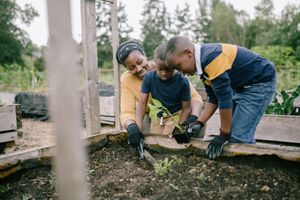
Neighbors work together to maintain a community garden that provides fresh vegetables for everyone.
4. Ujamaa (Cooperative Economics)
Ujamaa means supporting businesses and organizations that strengthen the community.
Ways to practice Ujamaa:
-Shop at Black-owned businesses.
-Recommend local entrepreneurs.
-Buy handmade products.
-Attend community markets.
-Share small business posts online.
-Collaborate with other creators.
-Invest in community organizations.
Everyday example
Instead of ordering from a large retailer, a family purchases gifts from local artisans during the holidays.
5. Nia (Purpose)
What does Nia mean?
Purpose encourages living intentionally while contributing to the greater good.
Ways to practice Nia:
-Create family goals.
-Volunteer regularly.
-Mentor young people.
-Preserve family history.
-Build generational wealth.
-Start meaningful traditions.
-Teach valuable life skills.
Everyday example
A parent spends one evening each week teaching children family recipes, history, and traditions.
6. Kuumba (Creativity)
What does Kuumba mean?
Leaving every community more beautiful and beneficial than you found it.
Ways to practice Kuumba:
-Make handmade gifts.
-Decorate your home.
-Write poetry.
-Paint murals.
-Start a garden.
-Design educational resources.
-Create music.
Everyday example
Children create homemade greeting cards that celebrate culture and encourage grandparents.
7. Imani (Faith)
What does Imani mean?
Faith is confidence in yourself, your family, your community, and a hopeful future.
Ways to practice Imani:
-Encourage others.
-Celebrate achievements.
-Pray or meditate.
-Keep promises.
-Practice gratitude.
-Believe in long-term goals.
-Stay hopeful during challenges.
Everyday example
Even after experiencing setbacks, an entrepreneur continues building a business because they believe their work will benefit future generations.
Practicing the Seven Principles Throughout the Year
The Nguzo Saba are not limited to one week in December. Many families incorporate them into everyday routines.
Principle: Umoja
Daily Practice: Family dinners
Principle: Kujichagulia
Daily Practice: Goal setting
Principle: Ujima
Daily Practice: Community service
Principle: Ujamaa
Daily Practice: Shopping local
Principle: Nia
Daily Practice: Volunteering
Principle: Kuumba
Daily Practice: Creative projects
Principle: Imani
Daily Practice: Gratitude and encouragement
Small, consistent actions can make these values part of everyday life.
How Families Can Teach the Seven Principles
Children learn best through experience.
Ideas include:
-Reading together.
-Completing service projects.
-Cooking meals together.
-Starting a family garden.
-Supporting local businesses.
-Creating art inspired by African culture.
-Discussing one principle each week.
Hands-on activities help connect the principles to real life.
Frequently Asked Questions
Do you have to celebrate Kwanzaa to practice the Seven Principles? No. Many people adopt the values of unity, responsibility, creativity, purpose, and cooperation as everyday guiding principles.
Can children learn the Seven Principles?
Absolutely. Many families teach them through storytelling, crafts, games, cooking, and community service. In fact, during most Kwanzaa celebrations it 's custom for children to begin the Kwanzaa ceremony, lighting the first five candles with adult supervision. Children often light the Kwanzaa candles as a symbol of hope for the future and the continuation of cultural traditions. Their participation reflects the belief that the next generation carries the values, legacy, and future of the community forward.
Are the Seven Principles religious?
No. Kwanzaa is a cultural celebration, and the Nguzo Saba are cultural and ethical values that people of many different faiths—or none—can choose to practice.
Final Thoughts
The Seven Principles of Kwanzaa remind us that culture is expressed not only through celebration, but through our everyday actions. Whether you're strengthening family relationships, supporting local businesses, volunteering in your neighborhood, or encouraging creativity, each small choice reflects the spirit of the Nguzo Saba.
Practicing Umoja, Kujichagulia, Ujima, Ujamaa, Nia, Kuumba, and Imani throughout the year can help build stronger families, more connected communities, and a lasting legacy for future generations.