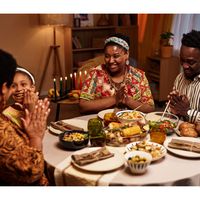
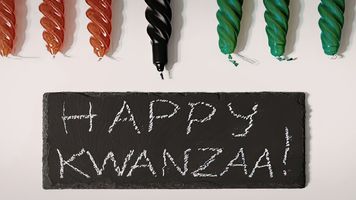
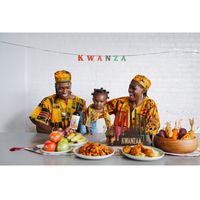
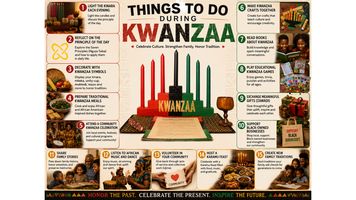
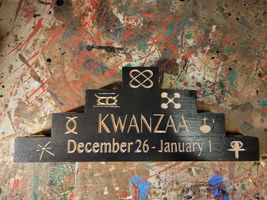
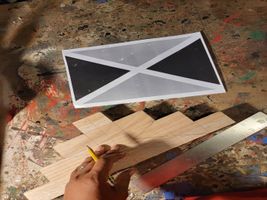
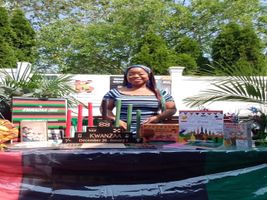
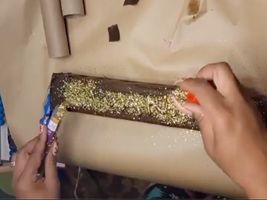
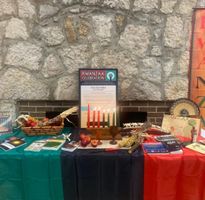
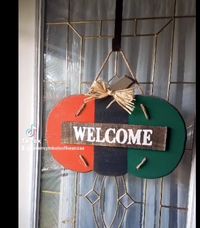
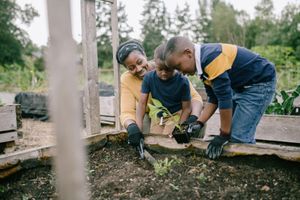
Kwanzaa is a vibrant cultural celebration observed from December 26 to January 1. It culminates in honoring our ancestors through the pouring of libations, a joyful feast, and meaningful gift-giving. Rooted in tradition and unity, Kwanzaa celebrates African American heritage, history, and the strength of family. Founded in 1966 by Dr. Maulana Karenga, Kwanzaa was inspired by African harvest traditions and created to uplift and reconnect people of African descent to their cultural roots.
The Seven Principles of Kwanzaa (Nguzo Saba)
At the heart of Kwanzaa are the seven principles, or Nguzo Saba, which guide daily reflections during the week-long celebration:
1. Umoja (Unity)
– Strengthening family and community bonds.
2. Kujichagulia (Self-Determination)
– Defining, naming, and speaking for ourselves.
3. Ujima (Collective Work and Responsibility)
– Building and maintaining our communities.
4. Ujamaa (Cooperative Economics)
– Supporting Black-owned businesses
and collective prosperity.
5. Nia (Purpose)
– Working toward the upliftment of our people.
6. Kuumba (Creativity)
– Enhancing our communities through artistic and cultural expression.
7. Imani (Faith)
– Believing in our people and the righteousness of our struggle despite the past.
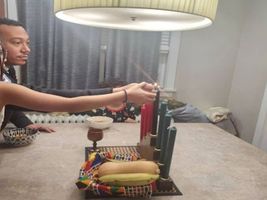
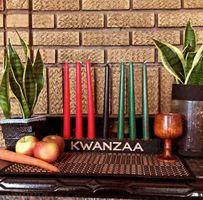
Each day, families light a candle on the Kwanzaa kinara, symbolizing one of these principles. If you're looking to incorporate this tradition into your home, we invite you to explore kinara options for your Kwanzaa table.
Essential Kwanzaa Symbols and Traditions
Central to Kwanzaa are seven core symbols, including the:
-Kinara
(Kwanzaa candle holder)
-Mishumaa Saba
(seven candles)
-Mkeka
(mat)
-Kikombe cha Umoja
(unity cup)
-Muhindi
(ear of corn)
-Mazao
(harvest crops)
-Zawadi
(gifts)
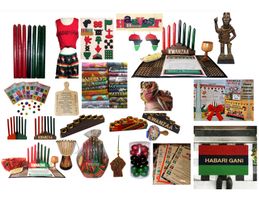
Each symbol stands for a value from African culture that helps bring people together and build strong communities. For a meaningful display, shop our beautifully designed kinaras for your celebration and discover handmade candles, unity cups, and more in our Kwanzaa Kinara Collection.
Popular Kwanzaa Guides and Inspiration:
How to Decorate for Kwanzaa
– Discover meaningful Kwanzaa decor ideas that highlight unity, culture, and heritage.
How to Make a Kwanzaa Kinara with Candles
– A step-by-step DIY guide to crafting your own kinara at home.
How to Celebrate Kwanzaa in the Summer
– Extend the spirit of Kwanzaa year-round with community reflections and service.
Where to Celebrate Kwanzaa – Find cultural festivals, events, and family gatherings near you.
How to Light the Kwanzaa Candles on the Kinara
– Learn the traditional candle-lighting order and what each color and placement symbolizes.
Your Guide to Kwanzaa Kinaras
– Learn how to choose from various handcrafted Kwanzaa kinaras and styles, so you can select one that best fits your needs.
Kwanzaa: History
– Dive deeper into the origins and evolution of Kwanzaa.
Celebrate Kwanzaa with Intention and Joy
Kwanzaa is more than a holiday—it’s a celebration of community, culture, and family. Whether you're sharing the values of Kwanzaa with children, leading a community celebration, or guiding youth through meaningful reflection and creativity, the Seven Principles serve as a powerful reminder that our history, culture, and resilience are always worth celebrating.
Start your journey by browsing our Kwanzaa kinara sets and shop traditional Kwanzaa candle holders to honor the season with pride and authenticity.