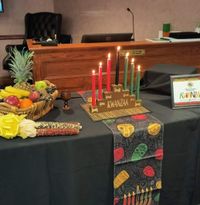
The Kwanzaa kinara holds seven candles, which are arranged in the symbolic colors of red, black, and green. These Kwanzaa candle colors are deeply meaningful, with the black candle symbolizing the people, the red candles representing the struggles of our ancestors, and the green candles symbolizing the rich resources of Africa and the hope for our future. Together, these candles are referred to as the Mishumaa Saba, which represent the seven guiding principles of Kwanzaa, also known as the Nguzo Saba.
The History of Kwanzaa: How the Celebration Began
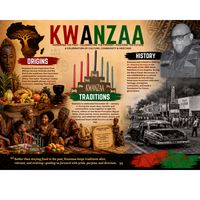
Kwanzaa is a non-religious cultural celebration observed each year from December 26 through January 1. Created to honor African American heritage, culture, and community, it has grown into a worldwide celebration embraced by families and communities across the African diaspora. Although Kwanzaa began in the United States, its message of unity, purpose, creativity, and cultural pride resonates with people around the globe.
The name Kwanzaa comes from the Swahili phrase matunda ya kwanza, meaning "first fruits." The holiday draws inspiration from traditional African first-fruits harvest festivals, where communities gathered to celebrate the harvest, express gratitude, honor their ancestors, and strengthen bonds with one another. Rather than recreating any single African tradition, Kwanzaa brings together shared cultural values found across many African societies and expresses them through a modern African American cultural celebration.
Why Was Kwanzaa Created?
Kwanzaa was established in 1966 by Dr. Maulana Karenga in the aftermath of the 1965 Watts Riot in Los Angeles. During a period marked by racial injustice, civil rights activism, and the growing Black Power Movement, many African Americans sought ways to reconnect with their cultural heritage and build stronger families and communities.
Dr. Karenga envisioned Kwanzaa as more than a holiday—it would serve as a cultural foundation that encouraged African Americans to celebrate their history, reclaim traditions, strengthen community ties, and pass enduring values from one generation to the next. The celebration was designed to inspire reflection, responsibility, and collective progress while honoring the resilience and achievements of African American people.
Image source: Seven Symbols of Kwanzaa, celebrating Kwanzaa's 53rd Anniversary, West Philadelphia High School, 2019 (left to right: Mrs. Tiamoyo Karenga, Dr. Maulana Karenga, Maisha Sullivan-Ongoza)
The Philosophy Behind Kwanzaa
At the heart of Kwanzaa is Kawaida, the cultural philosophy developed by Dr. Karenga. The word Kawaida means "tradition" or "reason." It teaches that people should continually learn from the best of African culture while thoughtfully applying those lessons to contemporary life.
Kawaida encourages individuals to ask meaningful questions about identity, purpose, and responsibility, including:
-Who am I?
-What is my purpose?
-Are my actions rooted in values that strengthen my family and community?
-How can I use my talents and creativity to improve the lives of others?
-How can I honor those who came before me while helping shape a better future?
Rather than viewing tradition as something fixed, Kawaida teaches that traditions should be understood, preserved, and thoughtfully developed so they remain meaningful for future generations. In this way, culture becomes a living source of wisdom that continues to grow while remaining connected to its roots.
A Celebration of Values, Community, and Hope
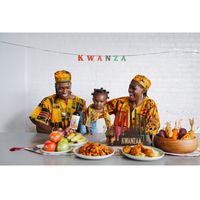
Throughout the seven days of Kwanzaa, families and communities gather to celebrate the Nguzo Saba, or Seven Principles, which provide the moral and cultural foundation of the holiday. Homes are decorated with the Seven Symbols of Kwanzaa, candles are lit on the Kinara, stories are shared, ancestors are remembered, and each day's principle becomes an opportunity for reflection and discussion.
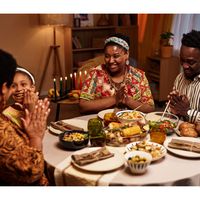
On the sixth day, families and communities come together for the Karamu, a communal feast that celebrates gratitude, culture, creativity, and shared accomplishments. Music, dance, storytelling, poetry, and traditional foods often accompany the gathering, reinforcing the importance of family and community.
Ultimately, Kwanzaa is both a celebration of heritage and a call to action. It invites people not only to remember the past but also to live intentionally in the present and work together to build a stronger future.
By honoring cultural identity, strengthening community, and practicing the Seven Principles throughout the year, Kwanzaa remains a living tradition that continues to inspire unity, purpose, and hope across generations.