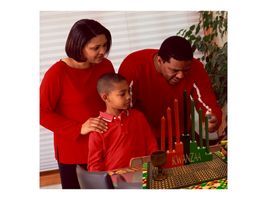
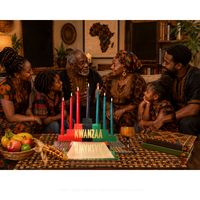
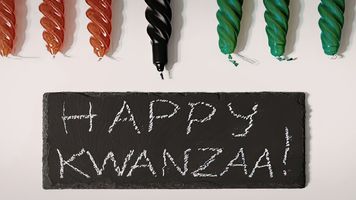
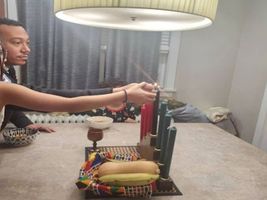
A Kinara is a candleholder used during Kwanzaa, holding seven candles, each representing one of the Mishumaa Saba, or the seven principles of Kwanzaa. Traditionally, the Kinara is made of wood and comes in various shapes, from classic linear designs to modern pyramid forms. The candles are arranged with three red candles on the left, three green candles on the right, and a single black candle in the center.
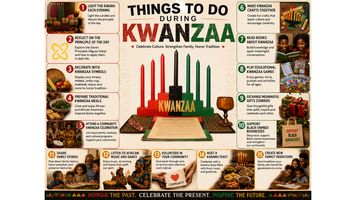
15 Things to Do During Kwanzaa: Traditions, Activities & Fun Ideas for Generations
1. Light the Kinara Each Evening
One of the most recognized Kwanzaa traditions is lighting the Kinara, a candleholder that represents the roots of the African family. Each evening, one candle is lit while discussing one of the Seven Principles (Nguzo Saba).
With active supervision a meaningful tradition is allowing children to participate in the candle-lighting ceremony. In many families, it is customary for the children to light the Kwanzaa kinara during the first five days of Kwanzaa, while elders often light the candles on the final two days. This practice helps pass traditions from one generation to the next and encourages children to take an active role in the celebration.
If you're new to this tradition, learn more about the meaning of the Kwanzaa Kinara and explore our Guide to Kwanzaa Kinaras to understand the different styles, materials, and features available before choosing one for your home.
2. Reflect on the Principle of the Day and Exchange the Kwanzaa Greeting
Each day of Kwanzaa centers on one of the Seven Principles (Nguzo Saba). Take time with family and friends to discuss the day's principle and explore ways to put it into practice throughout the year.
A cherished Kwanzaa tradition is exchanging the daily greeting "Habari Gani?", a Swahili phrase meaning "What's the news?" The customary response is the principle of the day. For example, on the first day of Kwanzaa, when someone asks "Habari Gani?", the appropriate response is "Umoja" (Unity).
Each day of Kwanzaa focuses on one of the Seven Principles:
-Umoja (Unity)
-Kujichagulia (Self-Determination)
-Ujima (Collective Work and Responsibility)
-Ujamaa (Cooperative Economics)
-Nia (Purpose)
-Kuumba (Creativity)
-Imani (Faith)
Take time each evening to discuss how your family can practice the day's principle throughout the year, not just during Kwanzaa. Want to learn more about the Seven Principles? Read our guide to the Seven Principles of Kwanzaa to discover the meaning and significance of each principle and how families practice them during the celebration.

3. Decorate Your Home with Kwanzaa Symbols
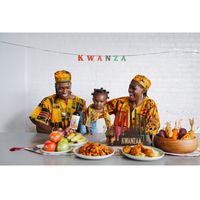
Transform your home into a meaningful celebration space using traditional Kwanzaa symbols such as:
-A Kinara
-Mkeka (woven mat)
-Mishumaa Saba (seven candles)
-Kikombe cha Umoja (Unity Cup)
-Muhindi (ears of corn)
-Mazao (fruits and vegetables)
-Bendera ya Taifa (Pan African flag)
-African-inspired artwork and textiles
These symbols remind everyone of Kwanzaa's cultural heritage and values throughout the week.
4. Prepare Traditional Kwanzaa Meals
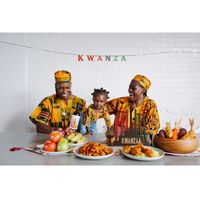
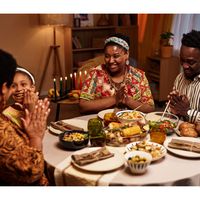
Food brings people together. Prepare dishes inspired by African, African American, and Caribbean traditions such as:
-Jollof rice
-Collard greens
-Sweet potatoes
-Cornbread
-Black-eyed peas
-Grilled vegetables
-Fresh fruit
-Homemade desserts
Cooking together is also a wonderful opportunity to teach younger family members about family recipes and traditions.
5. Attend a Community Kwanzaa Celebration
Many communities host public Kwanzaa events featuring:
-African dance performances
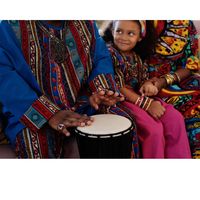
-Live drumming
-Spoken word
-Children's activities
-Vendors
-Art exhibits
-Educational workshops
-Karamu feasts
If you're looking for celebrations near you, visit our guide on Where to Celebrate Kwanzaa to discover festivals, museums, libraries, and cultural centers that host family-friendly events.
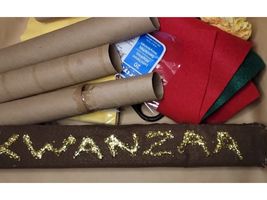
6. Make Kwanzaa Crafts Together
Hands-on activities help children understand Kwanzaa while encouraging creativity (Kuumba). Ideas include:
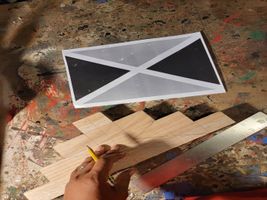
-Homemade Kinaras
-Paper candles
-African-inspired masks
-Beaded jewelry
-Holiday ornaments
-Greeting cards
-Family vision boards
Craft time often becomes one of the most memorable parts of the celebration.
7. Read Books About Kwanzaa
Set aside time each evening to read together. Choose books that explain:
-The history of Kwanzaa
-African traditions
-The Seven Principles
-Family values
-African American history
Reading together creates opportunities for meaningful conversations across generations.
8. Play Educational Kwanzaa Games
Learning can be fun. Try activities like:
-Kwanzaa trivia
-Word searches
-Crossword puzzles
-Matching games
-Scavenger hunts
-Coloring pages
-Family quizzes
These activities reinforce Kwanzaa traditions while keeping children engaged.
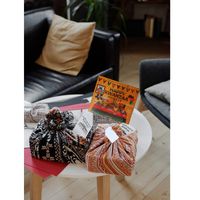
9. Exchange Meaningful Gifts (Zawadi)
Gift-giving during Kwanzaa focuses on thoughtfulness rather than extravagance.
Meaningful gifts often include:
-Books
-Handmade crafts
-Educational games
-Family keepsakes
-Personalized items
-Cultural artwork
-Creative projects
Looking for inspiration? Explore our collection of Meaningful Kwanzaa Gifts for ideas that celebrate culture, learning, and family traditions.
10. Support Black-Owned Businesses
One of the Seven Principles, Ujamaa (Cooperative Economics), encourages supporting businesses within the community. Consider purchasing:
-Handmade decorations
-African artwork
-Educational materials
-Children's books
-Locally made gifts
-Artisan-crafted Kwanzaa products
Supporting Black-owned businesses helps strengthen communities while preserving cultural traditions.
11. Share Family Stories
Kwanzaa is a perfect time to gather everyone together and share family history. Ask grandparents and relatives to talk about:
-Childhood memories
-Family traditions
-Important life lessons
-Cultural heritage
-Ancestors
-Immigration stories
-Family accomplishments
Recording these conversations creates treasures for future generations.
12. Listen to African Music and Dance
Music has always been an important part of celebration. Create a Kwanzaa playlist featuring:
-African drumming
-Jazz
-Gospel
-Soul
-Afrobeat
-Traditional African music
Dance together and learn about the cultural significance behind different musical traditions.
13. Volunteer in Your Community
Practice Ujima (Collective Work and Responsibility) by giving back. Ideas include:
-Food drives
-Clothing donations
-Community cleanups
-Visiting seniors
-Tutoring children
-Volunteering at local nonprofits
Acts of service reinforce the values celebrated during Kwanzaa.
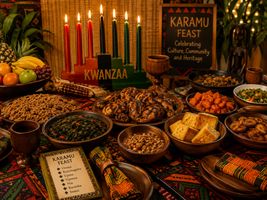
14. Host a Karamu Feast
The Karamu is the communal feast traditionally held on December 31. Invite family, friends, and neighbors to enjoy:
-Traditional foods
-Music
-Dancing
-Poetry
-Storytelling
-Recognition of community achievements
The Karamu celebrates unity and gratitude while bringing generations together around the table.
15. Create New Family Traditions
Every family celebrates Kwanzaa differently. Consider starting traditions like:
-Annual Kwanzaa family photos dressed in traditional African apparel
-Memory journals
-Gratitude reflections
-Family talent shows
-Creating handmade ornaments
-Recording yearly goals
-Writing letters to future generations.
These traditions often become the memories children carry into adulthood.
Celebrate Kwanzaa with Purpose
Kwanzaa is more than a week of festivities—it's an opportunity to strengthen family bonds, celebrate African American culture, and reflect on values that inspire us throughout the year. Whether you're lighting the kinara, preparing a Karamu feast, attending community events, creating handmade crafts, or exchanging meaningful gifts, every tradition helps bring the Seven Principles to life.
If you're just beginning your Kwanzaa journey, continue exploring our educational guides to deepen your celebration:
-The Meaning of the Kwanzaa Kinara
-Your Guide to Kwanzaa Kinaras: Prices, Features, and Ideal Choices for Every Celebration
-Kwanzaa Gifts: Meaningful Ideas
May this year's celebration inspire unity, purpose, creativity, and lasting memories for your family—during Kwanzaa and throughout the year.