Free Shipping on orders over $75!

Who created Kwanzaa?

Kwanzaa was created in 1966 by Maulana Karenga, an African American professor with two Ph.D's, author, and cultural activist who was 25 years old when he established the celebration. Born Ronald McKinley Everett, he later adopted the name Maulana Karenga, a name that reflected his commitment to African culture, education, and the preservation of tradition.

What Does the Name "Maulana Karenga" Mean?

The name Maulana Karenga carries symbolic meaning connected to the role he sought to embody. Maulana, is an honorific title meaning "our master" and is traditionally associated with a respected scholar or teacher. Karenga is commonly interpreted in the context of his chosen name as "keeper of tradition" or "keeper of tradition and culture." Together, the name reflects the image of a master teacher and guardian of tradition and cultural knowledge.

How Does His Name Reflect Kujichagulia (Self-Determination)?

His decision to define and name himself reflects the spirit of Kujichagulia (Self-Determination), one of Kwanzaa's Seven Principles. Kujichagulia teaches us to define ourselves, name ourselves, create for ourselves, and speak for ourselves instead of being defined by others. By choosing a name that reflected his purpose and commitment to preserving African culture, Maulana Karenga demonstrated the very principle that Kwanzaa encourages each generation to practice.

Why Did Maulana Karenga Create Kwanzaa?

Kwanzaa was established in 1966 to reconnect African Americans with their African heritage, cultural identity, and shared values. Inspired by African first-fruits traditions, Maulana Karenga created Kwanzaa as a seven-day cultural celebration centered on the Nguzo Saba (Seven Principles)—Unity (Umoja), Self-Determination (Kujichagulia), Collective Work and Responsibility (Ujima), Cooperative Economics (Ujamaa), Purpose (Nia), Creativity (Kuumba), and Faith (Imani). Through these principles, Kwanzaa encourages families and communities to strengthen their relationships, preserve their heritage, and build a better future together.


Want to learn more? Explore "The History of Kwanzaa: How the Celebration Began" for a deeper look at the events, inspirations, and cultural movement that led to the creation of Kwanzaa.

Why Is Kwanzaa Celebrated From December 26 to January 1?

Maulana Karenga established Kwanzaa as a seven-day celebration inspired by African first-fruits traditions and the values of community, gratitude, and cultural connection. However, the dates of December 26 through January 1 hold additional spiritual and cultural significance. Across many traditions, the space between an ending and a new beginning is viewed as a powerful time for reflection, transformation, and renewal.


As one year closes and another begins, Kwanzaa invites families and communities to pause, honor the lessons of the past, and move forward with greater purpose. By counting back seven days from the arrival of the new year, the seven-day observance creates a sacred space to reflect on the past, remember those who came before us, honor cultural values, and enter the new year guided by the Nguzo Saba (Seven Principles). Each day provides an opportunity to focus on one principle and consider how it can be practiced in daily life.


To sum it up, the Kwanzaa dates create a sacred time to:


-Reflect on the past year


-Honor ancestors and cultural foundations


-Reaffirm seven principle values one day at a time


-Set intentions for the future


-Strengthen family and community bonds


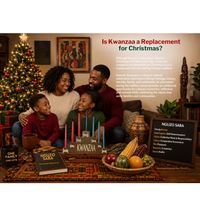
Is Kwanzaa a Replacement for Christmas?

Although Kwanzaa takes place between Christmas and New Year's Day, it was not created as an alternative to Christmas or as a replacement for any existing holiday tradition. Instead, Kwanzaa was established as a distinct cultural celebration honoring African heritage, history, identity, family, and community. Its placement during the holiday season provides an additional opportunity for cultural connection, reflection, and renewal while celebrating the values that unite families and communities.

What Is Maulana Karenga's Lasting Legacy?

Nearly six decades after its creation, Kwanzaa continues to be celebrated by millions of people around the world. What began as a cultural celebration created by a 25-year-old visionary has grown into an annual tradition that inspires families to honor their heritage, strengthen their communities, and pass timeless values from one generation to the next. Through the Nguzo Saba, Maulana Karenga's vision continues to encourage people to live with unity, purpose, creativity, and faith while preserving the traditions and culture that connect us to our shared history.

Live the Principles. Build the Legacy.

More Posts

15 Things to Do During Kwanzaa:  Family Traditions, Activities & Fun Ideas15 Things to Do During Kwanzaa:  Family Traditions, Activities & Fun Ideas
15 Things to Do During Kwanzaa: Family Traditions, Activities & Fun Ideas

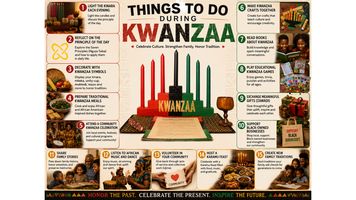
Kwanzaa is a seven-day celebration of African American culture, heritage, family, and community observed each year from December 26 through January 1. While many people recognize Kwanzaa for its seven principles (Nguzo Saba) and the lighting of the kinara, the holiday is also filled with meaningful traditions, educational activities, music, food, creativity, and opportunities to strengthen family bonds.


Whether you're celebrating Kwanzaa for the first time or continuing a cherished family tradition, this guide shares meaningful things to do during Kwanzaa that honor its values while creating lasting memories for every generation.

Meaning of the Kwanzaa Kinara: Symbolism ExplainedMeaning of the Kwanzaa Kinara: Symbolism Explained
Meaning of the Kwanzaa Kinara: Symbolism Explained

A Kinara is a candleholder used during Kwanzaa, holding seven candles, each representing one of the Mishumaa Saba, or the seven principles of Kwanzaa. Traditionally, the Kinara is made of wood and comes in various shapes, from classic linear designs to modern pyramid forms. The candles are arranged with three red candles on the left, three green candles on the right, and a single black candle in the center.

Kwanzaa Kinaras: Prices, Features, and Ideal Choices for Every CelebrationKwanzaa Kinaras: Prices, Features, and Ideal Choices for Every Celebration
Kwanzaa Kinaras: Prices, Features, and Ideal Choices for Every Celebration

Celebrating Kwanzaa involves honoring community, culture, and family. One of the most symbolic items in this celebration is the kinara, which holds the seven candles representing the Nguzo Saba, also known as the Seven Principles of Kwanzaa. But with so many options available, how do you choose the perfect kinara for your celebration? To help you select the perfect kinara, we’ve provided a comparison chart below that breaks down the essential details of each design and what makes each unique, so you can select one that best fits your needs.

History of Kwanzaa: Origins, Traditions & MeaningHistory of Kwanzaa: Origins, Traditions & Meaning
History of Kwanzaa: Origins, Traditions & Meaning

Kwanzaa is a non-religious holiday celebrated around the world from December 26 to January 1. On the sixth day, families and communities gather for a communal feast called Karamu. The name “Kwanzaa” comes from the Swahili phrase matunda ya kwanza, meaning “first fruits.”

How to Light the Kwanzaa Candles?How to Light the Kwanzaa Candles?
How to Light the Kwanzaa Candles?

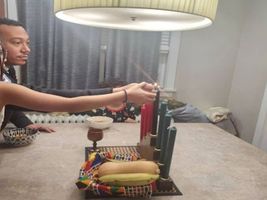
The Kwanzaa kinara holds seven candles, which are arranged in the symbolic colors of red, black, and green. These Kwanzaa candle colors are deeply meaningful, with the black candle symbolizing the people, the red candles representing the struggles of our ancestors, and the green candles symbolizing the rich resources of Africa and the hope for our future. Together, these candles are referred to as the Mishumaa Saba, which represent the seven guiding principles of Kwanzaa, also known as the Nguzo Saba.


How to Celebrate Kwanzaa Year-Round: Summer Activities & TraditionsHow to Celebrate Kwanzaa Year-Round: Summer Activities & Traditions
How to Celebrate Kwanzaa Year-Round: Summer Activities & Traditions

Whether it's December or another time of year, the principles and values of Kwanzaa remain relevant and meaningful year round. Celebrating Kwanzaa in the summer can be a unique and meaningful experience. Here are some ideas on how to do it:

How to Make A Kwanzaa Kinara with Candles (20 Minute Activity)How to Make A Kwanzaa Kinara with Candles (20 Minute Activity)
How to Make A Kwanzaa Kinara with Candles (20 Minute Activity)

The Kinara is one of the most important symbols and centerpieces of Kwanzaa. It holds seven candles, known as Mishumaa Saba, which represent the seven principles of Kwanzaa (Nguzo Saba). Each day of Kwanzaa, celebrated from December 26th to January 1st, highlights one of these principles, offering a deeper connection to African American culture, history, and community.


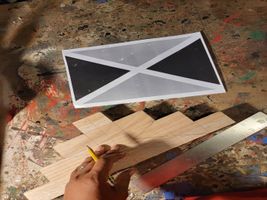
Creating your own kinara is a fun and easy arts and crafts project that adds a personal touch to the celebration while providing an engaging way to learn about the significance of Kwanzaa. Whether you're new to the tradition or looking for a hands-on activity to share with family and friends, this project offers a meaningful way to honor the holiday's values.


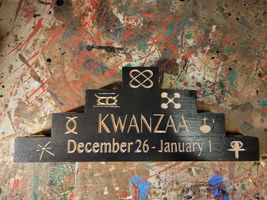
Kwanzaa Celebration Dates: December 26 – January 1


The Nguzo Saba (The Seven Principles):


Day 1- Umoja (oo-MOH-jah): Unity; to strive for and maintain unity in our family, community, nation, and race.


Day 2- Kujichagulia (koo-jee-cha-goo-LEE-ah): Self-determination; to define who we are by naming, thinking, speaking, and creating for ourselves.


Day 3- Ujima (oo-JEE-mah): Collective work and responsibility; to build and maintain our communities and to solve our problems together by taking ownership of each others problems.


Day 4- Ujamaa (oo-jah-MAH): Cooperative economics; to open our own businesses and to maintain and profit from them together.


Day 5- Nia (NEE-ah): Purpose; To develop personal goals to restore our community and Black people back to their traditional greatness.


Day 6- Kuumba (koo-OOM-bah): Creativity; thinking and doing as much as we can to make our community more beautiful and our world a better place than we inherited it.


Day 7- Imani (ee-MAH-nee): Faith; to believe in each other and everyone around us despite our struggles and past. by step.


How to Decorate for Kwanzaa: A Complete GuideHow to Decorate for Kwanzaa: A Complete Guide
How to Decorate for Kwanzaa: A Complete Guide

Decorating for Kwanzaa involves incorporating the best and beautiful traditional symbols and colors that represent the principles and values of this African-American holiday. Here's a step-by-step guide to help you decorate for Kwanzaa:

Kwanzaa Gifts: Meaningful Ideas for EveryoneKwanzaa Gifts: Meaningful Ideas for Everyone
Kwanzaa Gifts: Meaningful Ideas for Everyone

As we approach the end of the year, millions of families are preparing to celebrate Kwanzaa—a vibrant cultural holiday that honors African heritage, community, and family. Founded in 1966 by Dr. Maulana Karenga, Kwanzaa is centered around seven guiding principles known as the Nguzo Saba. It’s a time to reflect on African heritage and culture, engage in family and community-building activities, and exchange meaningful gifts. If you're looking for authentic, hand-carved, and culturally rich Kwanzaa gifts in 2024, our curated selection at Seven Symbols of Kwanzaa can help make your celebration truly special.