Free Shipping on orders over $75!

Why Celebrate Kwanzaa?  A Guide for Families

1. To Celebrate African American Culture and Heritage

Kwanzaa was created in 1966 to provide African Americans with a cultural celebration rooted in history, identity, and community. It encourages African Americans to reconnect with their heritage while honoring the contributions, achievements, and struggles of their Ancestors, who have helped shape the lives and opportunities of generations today.


The celebration also invites participants to reflect on the broader African experience, from the rich civilizations of Africa, to the ongoing pursuit of freedom, justice, and equality.


Celebrating Kwanzaa provides an opportunity to connect with traditions that inspire pride, resilience, and cultural appreciation.


"To understand history is to understand ourselves." Dr. Karenga


Related Reading: What Is Kwanzaa?

2. To Strengthen Family Bonds

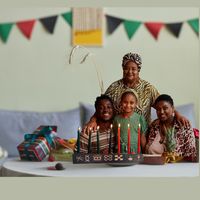
Family is at the heart of Kwanzaa. Throughout the seven days, families gather to light the kinara, share meals, tell stories, discuss the daily principle, and create memories together. These traditions encourage meaningful conversations across generations while helping children learn about their family's history and values.


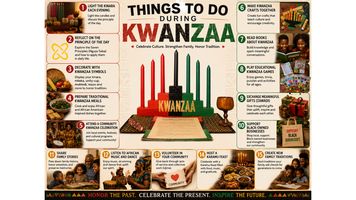
Looking for ideas? Explore our guide to Things to Do During Kwanzaa for family-friendly traditions and activities.

3. To Live the Seven Principles

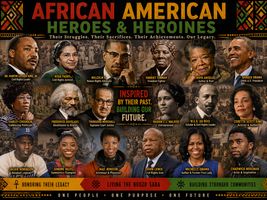
The heart of Kwanzaa is the Nguzo Saba (Seven Principles). The Nguzo Saba is an African values system that encourages individuals, families, and communities to live with purpose, unity, responsibility, creativity, and faith. Although the Nguzo Saba was introduced in 1966, the lives and achievements of many African American heroes and heroines reflect these enduring values.


The principles can be seen in the pursuit of voting rights, the fight to end segregation, the advancement of educational equality, the growth of Black-owned businesses, scientific and medical breakthroughs, excellence in sports, literature, music, innovation, beauty and hair care, justice, entrepreneurship, and countless other fields. Kwanzaa encourages each generation to continue building on this legacy by living the Seven Principles every day of the year:


-Umoja (Unity)

-Kujichagulia (Self-Determination)

-Ujima (Collective Work and Responsibility)

-Ujamaa (Cooperative Economics)

-Nia (Purpose)

-Kuumba (Creativity)

-Imani (Faith)


Kwanzaa reminds us that we all have both the right and the responsibility to make the world a better place for future generations. By living the Seven Principles, each of us can help build stronger families, thriving communities, and a more just and compassionate society.


Related Reading: The Seven Principles of Kwanzaa

4. To Pass Traditions to Future Generations

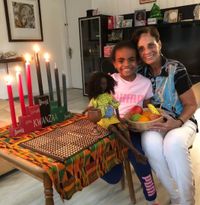
Kwanzaa is a celebration that brings generations together. Parents, grandparents, and elders pass down family traditions by sharing stories, teaching cultural values, and encouraging children to actively participate in the celebration. By giving children active roles, families help build confidence, strengthen cultural identity, and ensure that Kwanzaa traditions are passed from one generation to the next.


Children can help light the kinara, exchange the daily call-and-response greeting "Habari Gani?" ("What's the news?"), and respond with the Principle of the Day—for example, "Umoja" on the first day of Kwanzaa. This daily greeting reinforces the Seven Principles and reminds everyone of the values being celebrated.


Children can also sing or write Kwanzaa songs, create arts and crafts, make decorations, perform in Kwanzaa plays or dance recitals, plan school or community Kwanzaa programs, invite others to participate, educate others about Kwanzaa, practice or act out the Seven Principles, invent Kwanzaa-themed games, and help prepare the Karamu feast.


These shared experiences create lasting memories while teaching children the importance of family, culture, community, and responsibility. By involving every generation, Kwanzaa ensures that its traditions, values, and rich cultural heritage continue to be preserved, celebrated, and passed on for generations to come.

5. To Build Stronger Communities

Kwanzaa emphasizes the importance of working together. Many families celebrate by:


-Volunteering

-Supporting local organizations

-Attending community celebrations

-Donating to charities

-Helping neighbors


The principle of Ujima (Collective Work and Responsibility) reminds us that stronger communities benefit everyone.

6. To Support Black-Owned Businesses

One of the Seven Principles, Ujamaa (Cooperative Economics), encourages supporting businesses that strengthen the community. Many families choose to purchase:


-Handmade decorations

-Educational materials

-African-inspired artwork

-Children's books

-Meaningful gifts

-Kwanzaa celebration supplies


Supporting Black-owned businesses helps preserve cultural traditions while investing in local communities.

7. To Celebrate with Meaningful Symbols

Each Kwanzaa symbol adds meaning and beauty to the Kwanzaa celebration. These include:


-Kinara (candleholder)

-Mishumaa Saba (Seven Candles)

-Mkeka (Mat)

-Kikombe cha Umoja (Unity Cup)

-Muhindi (corn)

-Mazao (harvest fruits & vegetables)

-Zawadi (gifts)


Related Reading:


The Meaning of the Kwanzaa Kinara

Your Guide to Kwanzaa Kinaras


8. To Reflect on the Past and Plan for the Future

Kwanzaa encourages reflection. Many families use the week to:


-Celebrate accomplishments

-Remember ancestors

-Set personal goals

-Strengthen relationships

-Plan acts of service

-Establish new traditions


The holiday provides a meaningful opportunity to begin the new year with purpose and intention.

9. To Celebrate Through Music, Food, and Creativity

Kwanzaa is also joyful. Families celebrate by:


-Preparing traditional meals

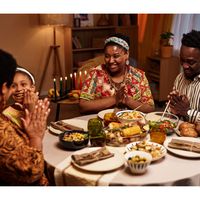
-Hosting a Karamu feast

-Listening to music

-Dancing

-Creating art

-Reading books

-Playing educational games

-Making crafts together


These traditions create lasting memories while honoring the principle of Kuumba (Creativity).

10. Because Kwanzaa's Values Last All Year

Although Kwanzaa lasts seven days, its lessons extend far beyond the holiday.

Unity, purpose, creativity, responsibility, faith, cooperation, and self-determination are values that can guide everyday life. By practicing these principles year-round, families continue to strengthen relationships and contribute positively to their communities.

Explore, Share, and Celebrate

Kwanzaa is more than a holiday—it's an opportunity to celebrate culture, strengthen family bonds, honor heritage, and embrace values that inspire positive change. Whether you're lighting the kinara, gathering for a Karamu feast, exchanging "Habari Gani?", supporting Black-owned businesses, or creating new family traditions, every moment offers a chance to live the Seven Principles.


If you're planning your celebration, continue exploring our Kwanzaa resources:


-What Is Kwanzaa?

-The Seven Principles of Kwanzaa

-Things to Do During Kwanzaa

-The Meaning of the Kwanzaa Kinara

-Your Guide to Kwanzaa Kinaras: Prices, -Features, and Ideal Choices for Every -Celebration

-Where to Celebrate Kwanzaa

-Kwanzaa Gifts: Meaningful Ideas

-Kwanzaa Kinara Collection

-Featured Kwanzaa Products

-


Celebrate Kwanzaa not only as a holiday, but as a tradition that nurtures family, community, and culture for generations to come.
Live the Principles. Build the Legacy.

More Posts

15 Things to Do During Kwanzaa:  Family Traditions, Activities & Fun Ideas15 Things to Do During Kwanzaa:  Family Traditions, Activities & Fun Ideas
15 Things to Do During Kwanzaa: Family Traditions, Activities & Fun Ideas

Kwanzaa is a seven-day celebration of African American culture, heritage, family, and community observed each year from December 26 through January 1. While many people recognize Kwanzaa for its seven principles (Nguzo Saba) and the lighting of the kinara, the holiday is also filled with meaningful traditions, educational activities, music, food, creativity, and opportunities to strengthen family bonds.


Whether you're celebrating Kwanzaa for the first time or continuing a cherished family tradition, this guide shares meaningful things to do during Kwanzaa that honor its values while creating lasting memories for every generation.

Meaning of the Kwanzaa Kinara: Symbolism ExplainedMeaning of the Kwanzaa Kinara: Symbolism Explained
Meaning of the Kwanzaa Kinara: Symbolism Explained

A Kinara is a candleholder used during Kwanzaa, holding seven candles, each representing one of the Mishumaa Saba, or the seven principles of Kwanzaa. Traditionally, the Kinara is made of wood and comes in various shapes, from classic linear designs to modern pyramid forms. The candles are arranged with three red candles on the left, three green candles on the right, and a single black candle in the center.

Kwanzaa Kinaras: Prices, Features, and Ideal Choices for Every CelebrationKwanzaa Kinaras: Prices, Features, and Ideal Choices for Every Celebration
Kwanzaa Kinaras: Prices, Features, and Ideal Choices for Every Celebration

Celebrating Kwanzaa involves honoring community, culture, and family. One of the most symbolic items in this celebration is the kinara, which holds the seven candles representing the Nguzo Saba, also known as the Seven Principles of Kwanzaa. But with so many options available, how do you choose the perfect kinara for your celebration? To help you select the perfect kinara, we’ve provided a comparison chart below that breaks down the essential details of each design and what makes each unique, so you can select one that best fits your needs.

Who Created Kwanzaa?Who Created Kwanzaa?
Who Created Kwanzaa?

Kwanzaa was created in 1966 by Maulana Karenga, an African American professor, author, and cultural activist who was 25 years old when he established the celebration. Born Ronald McKinley Everett, he later adopted the name Maulana Karenga, a name that reflected his commitment to African culture, education, and the preservation of tradition.

History of Kwanzaa: Origins, Traditions & MeaningHistory of Kwanzaa: Origins, Traditions & Meaning
History of Kwanzaa: Origins, Traditions & Meaning

Kwanzaa is a non-religious holiday celebrated around the world from December 26 to January 1. On the sixth day, families and communities gather for a communal feast called Karamu. The name “Kwanzaa” comes from the Swahili phrase matunda ya kwanza, meaning “first fruits.”

How to Light the Kwanzaa Candles?How to Light the Kwanzaa Candles?
How to Light the Kwanzaa Candles?

The Kwanzaa kinara holds seven candles, which are arranged in the symbolic colors of red, black, and green. These Kwanzaa candle colors are deeply meaningful, with the black candle symbolizing the people, the red candles representing the struggles of our ancestors, and the green candles symbolizing the rich resources of Africa and the hope for our future. Together, these candles are referred to as the Mishumaa Saba, which represent the seven guiding principles of Kwanzaa, also known as the Nguzo Saba.


How to Celebrate Kwanzaa Year-Round: Summer Activities & TraditionsHow to Celebrate Kwanzaa Year-Round: Summer Activities & Traditions
How to Celebrate Kwanzaa Year-Round: Summer Activities & Traditions

Whether it's December or another time of year, the principles and values of Kwanzaa remain relevant and meaningful year round. Celebrating Kwanzaa in the summer can be a unique and meaningful experience. Here are some ideas on how to do it:

How to Make A Kwanzaa Kinara with Candles (20 Minute Activity)How to Make A Kwanzaa Kinara with Candles (20 Minute Activity)
How to Make A Kwanzaa Kinara with Candles (20 Minute Activity)

The Kinara is one of the most important symbols and centerpieces of Kwanzaa. It holds seven candles, known as Mishumaa Saba, which represent the seven principles of Kwanzaa (Nguzo Saba). Each day of Kwanzaa, celebrated from December 26th to January 1st, highlights one of these principles, offering a deeper connection to African American culture, history, and community.


Creating your own kinara is a fun and easy arts and crafts project that adds a personal touch to the celebration while providing an engaging way to learn about the significance of Kwanzaa. Whether you're new to the tradition or looking for a hands-on activity to share with family and friends, this project offers a meaningful way to honor the holiday's values.


Kwanzaa Celebration Dates: December 26 – January 1


The Nguzo Saba (The Seven Principles):


Day 1- Umoja (oo-MOH-jah): Unity; to strive for and maintain unity in our family, community, nation, and race.


Day 2- Kujichagulia (koo-jee-cha-goo-LEE-ah): Self-determination; to define who we are by naming, thinking, speaking, and creating for ourselves.


Day 3- Ujima (oo-JEE-mah): Collective work and responsibility; to build and maintain our communities and to solve our problems together by taking ownership of each others problems.


Day 4- Ujamaa (oo-jah-MAH): Cooperative economics; to open our own businesses and to maintain and profit from them together.


Day 5- Nia (NEE-ah): Purpose; To develop personal goals to restore our community and Black people back to their traditional greatness.


Day 6- Kuumba (koo-OOM-bah): Creativity; thinking and doing as much as we can to make our community more beautiful and our world a better place than we inherited it.


Day 7- Imani (ee-MAH-nee): Faith; to believe in each other and everyone around us despite our struggles and past. by step.


How to Decorate for Kwanzaa: A Complete GuideHow to Decorate for Kwanzaa: A Complete Guide
How to Decorate for Kwanzaa: A Complete Guide

Decorating for Kwanzaa involves incorporating the best and beautiful traditional symbols and colors that represent the principles and values of this African-American holiday. Here's a step-by-step guide to help you decorate for Kwanzaa: