🎉 7th Anniversary! FREE Custom Umoja Cup (Seven Symbols, Name, or Word) with Every Kwanzaa Celebration Set • 8/01–8/31 • Enter Customization in Checkout Notes • FREE Shipping $75+

Traditional African American Foods for Karamu Feast and New Ones to Try

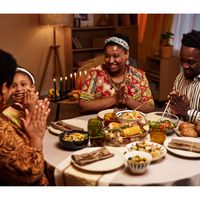
Food has a special way of bringing people together. During Kwanzaa, that spirit comes to life through the Karamu, the traditional communal feast held on December 31, as well as through family and community gatherings throughout the week of Kwanzaa. Traditionally, the Karamu is held on December 31, the sixth day of Kwanzaa. However, if December 31 doesn't work for your family's schedule, you don't have to miss out on the opportunity to gather.


If you're planning a Kwanzaa celebration during the week of Kwanzaa, choose a day when your entire family can be together and make that your family's Karamu day. Choosing the same day each year can even become a meaningful family Kwanzaa tradition—a special day when everyone knows to come together for your family's Karamu. Whether it's an evening when everyone is home from work and school or another day that works best for your family, what matters is creating time to gather, share a meal, celebrate culture and heritage, and enjoy one another's company.


It's also a good idea to plan nutritious, wholesome foods for the entire seven-day celebration. Family and friends may gather throughout Kwanzaa, and having healthy meals, snacks, fruits, vegetables, and other foods available makes it easier to welcome people whenever they visit. You don't have to prepare a feast every day. Simple family meals can provide opportunities to sit together, talk, share stories, and practice the principles of Kwanzaa throughout the week.


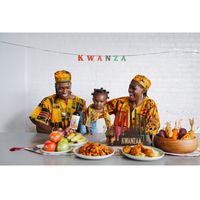
Then, on December 31, or your family's chosen Karamu day, you can bring everyone together for the larger feast. Invite family members to help plan the menu, prepare the food, decorate the table, and contribute a favorite family dish. In this way, the Karamu becomes more than a meal—it becomes a family tradition that can be passed down and enjoyed by generations to come.


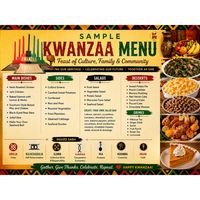
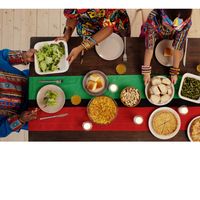
There isn't one official Karamu menu. Families can serve foods that have been passed down through generations, dishes inspired by African and Caribbean cuisines, or new recipes they want to introduce to their celebration. From collard greens, sweet potatoes, black-eyed peas, and cornbread to jollof rice, jerk chicken, seafood, fresh vegetables, and creative desserts, there are countless possibilities for a memorable Karamu feast.


Let's explore some traditional favorites and some new dishes you may want to try this year.

What Is a Karamu?

The word Karamu refers to the communal feast traditionally held during Kwanzaa on December 31. More than simply a large dinner, the Karamu brings people together to celebrate culture, family, community, creativity, and achievement. Depending on the family or community, the celebration may include food, music, dancing, storytelling, poetry, performances, and reflections on the Seven Principles. The menu can be just as diverse as the people gathered around the table.

Traditional African American Foods for a Karamu Feast

1. Collard Greens

Collard greens are a beloved staple of African American cooking. Slow-cooked greens seasoned with onions, garlic, peppers, or smoked meats can make a comforting addition to a Karamu table. For a plant-based version, try cooking them with vegetable broth, onions, garlic, smoked paprika, and a little vinegar.


2. Black-Eyed Peas

Black-eyed peas have long been part of African American food traditions. Serve them as a simple side dish or turn them into Hoppin' John, a classic dish combining black-eyed peas and rice. They're especially fitting for a Karamu because legumes can represent abundance, nourishment, and community.


3. Sweet Potatoes

Sweet potatoes can appear in many forms at the Karamu table. Try:


-Candied sweet potatoes

-Sweet potato pie

-Roasted sweet potatoes

-Sweet potato casserole

-Mashed sweet potatoes

-Sweet potato biscuits


For something different, try roasted sweet potatoes seasoned with ginger, cinnamon, smoked paprika, or cayenne.


4. Cornbread

What's a Karamu feast without cornbread? Serve traditional skillet cornbread alongside greens, beans, and other savory dishes. For something new, try:

-Jalapeño cornbread

-Honey cornbread

-Sweet potato cornbread

-Cheddar and herb cornbread

-Zucchini muffins


5. Macaroni and Cheese

Baked macaroni and cheese is a favorite at many African American family gatherings. A Karamu is a perfect opportunity to bring out the family recipe—or experiment with something new. Try adding roasted vegetables, different cheeses, or a little spice.


6. Fried or Baked Chicken

Chicken is another familiar favorite for family gatherings. You can serve traditional fried chicken or offer a lighter baked, roasted, or grilled version. For a Caribbean-inspired twist, try jerk-seasoned chicken.


7. Fish and Seafood

Seafood can bring another dimension to a Karamu menu. Consider:


-Fried whiting

-Baked salmon

-Pot Roast

-Catfish

-Shrimp

-Crab cakes

-Groundnut Stew

-Seafood gumbo


For something new, try a "Make Your Own Seafood Boil" themed Karamu feast. Set up a variety of seafood, vegetables, and other ingredients so family members can create their own combinations based on their tastes and dietary preferences. This can turn the Karamu meal into an interactive family experience. Everyone can choose their favorite ingredients, help prepare the food, and sit together while enjoying their creations. Children can participate by helping wash vegetables, arrange ingredients, or create their own seasoning combinations with adult supervision.


It's a fun way to bring Kuumba to the dinner table while creating a new family Karamu tradition. The meal becomes more than something to eat—it becomes an opportunity to create, experiment, work together, and enjoy the results as a family.

Fresh, Flavorful Salads for the Karamu Table

Fresh vegetables have long been an important part of African American food traditions and have been incorporated into family meals, gatherings, and celebrations for generations. From leafy greens and tomatoes to corn, cucumbers, sweet potatoes, cabbage, and other garden vegetables, fresh produce has brought color, flavor, nourishment, and variety to the table. Including fresh vegetables in your Karamu is a wonderful way to continue that tradition while offering something everyone can enjoy.

Salads are an easy way to add fresh vegetables, fruits, color, and variety to your Karamu feast. You can serve traditional family favorites alongside lighter, refreshing options that give everyone something to enjoy.


Traditional & Favorite Salad Ideas


-Fruit Salad

-Vegetable Salad ( Combine lettuce, baby spinach or romaine, red onions, cucumbers, and tomatoes)

-Potato Salad

-Macaroni Tuna Salad

-Seafood Salad


Create-Your-Own Karamu Salad Bar

For something new, set up a variety of ingredients and let each family member create their own salad. This is another fun way to practice Kuumba (Creativity) during your Karamu. Set out a selection of toppings such as:


-Shredded carrots

-Corn

-Banana peppers

-Pickled cucumbers

-Dried cranberries

-Croutons

-Chickpeas

-Avocado

-Shredded cheeses

-Sunflower, sliced almonds, or other seeds

-Broccoli

-A variety of salad dressings


Everyone can mix and match ingredients to create their own combination of flavors, textures, and colors. Children can especially enjoy creating their own salads, while learning that creativity can be practiced in simple, everyday ways—including at the family dinner table.


Jollof Rice

Foods Inspired by the African Diaspora

A Karamu doesn't have to be limited to African American dishes. Because African American culture is connected to a much broader African Diaspora, families can explore foods from different regions and cultures.


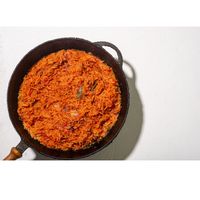
Jollof Rice

Jollof rice is a flavorful West African rice dish that has become popular far beyond West Africa.

It can be served with vegetables, chicken, fish, or other proteins.


Jerk Chicken

Jerk cooking originated in Jamaica and reflects the rich culinary traditions of the Caribbean.

Serve jerk chicken with rice and peas, plantains, or fresh vegetables.


Fried Plantains

Sweet, caramelized plantains are an easy addition to almost any Karamu menu.

They're especially popular because they're simple to prepare and pair well with savory dishes.


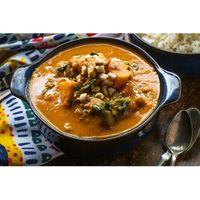
Peanut Stew

West African-inspired peanut stews combine vegetables, spices, and peanut butter or ground peanuts for a hearty meal.

Serve with rice or crusty bread.

New Foods to Try at Your Karamu

One of the best things about a Karamu is that there is room for creativity. Try introducing something your family hasn't had before. Consider adding:


African-inspired dishes

-Jollof rice

-Egusi soup

-Peanut stew

-Suya-style grilled vegetables or meat

-Plantains


Caribbean-inspired dishes

-Jerk chicken

-Rice and peas

-Curry goat

-Caribbean-style vegetables

-Coconut rice


Modern African American dishes

-Black-eyed pea burgers

-Sweet potato tacos

-Collard green egg rolls

-Cajun shrimp pasta

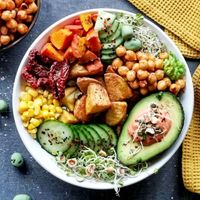
-Soul food-inspired grain bowls


The goal isn't to create a historically "perfect" menu. It's to create a meal that brings people together and allows your family to explore the richness of African American and African Diaspora food traditions.

Don't Forget Dessert

Dessert is often one of the most anticipated parts of a family feast. Traditional favorites include:


-Sweet potato pie

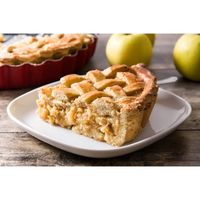
-Baked Apple Pie

-Peach cobbler

-Banana pudding

-Pound cake

-Ambrosia

-Red velvet cake

-Peach pie

-Sugar cookies

-Pecan pie


For something different, try:


-Sweet potato cheesecake

-Black-owned bakery favorites

-African-inspired cakes

-Coconut desserts

-Plantain bread pudding

-Hibiscus sorbet


Kwanzaa Drinks to Serve

You can also make the beverage table part of the celebration. Try:


-Hibiscus tea

-Ginger drink

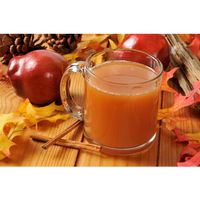
-Hot Apple Cider

-Sweet tea

-Fresh pineapple fruit punch

-Sorrel

-Homemade lemonade

-Ginger lemonade


For children, create a colorful nonalcoholic punch using fruit juices, sparkling water, and fresh fruit.

Make the Karamu a Family Activity

Preparing the feast can be just as meaningful as eating it.

Invite children to:


-Wash vegetables

-Mix ingredients

-Set the table

-Create place cards

-Make decorations

-Prepare a family recipe

-Create a Kwanzaa menu

-Research the history of a dish


This is a wonderful way to practice Ujima (Collective Work and Responsibility) while spending time together. Children can also learn how recipes and food traditions traveled across generations and geographic regions.

Create Your Own Karamu Tradition

There is no single menu that every Karamu must follow. One family might serve traditional African American dishes. Another might serve Caribbean food. Another might incorporate West African recipes. Some families may combine all three with their own favorite family recipes. That's part of what makes the Karamu special.

The table becomes a reflection of the family gathered around it. You can even start a tradition of adding one new dish each year while keeping a few recipes that have been passed down through your family.

Bringing the Seven Principles to the Table

The Karamu can be an opportunity to practice the Nguzo Saba.


-Umoja (Unity): Gather family and community around one table.


-Kujichagulia (Self-Determination): Celebrate and define your family's traditions.


-Ujima (Collective Work and Responsibility): Prepare the meal together.


-Ujamaa (Cooperative Economics): Purchase ingredients from local and Black-owned businesses.


-Nia (Purpose): Use the feast to strengthen family and community.


-Kuumba (Creativity): Experiment with recipes and presentation.


-Imani (Faith): Reflect on your hopes for the future and the generations to come.


The Karamu Is About More Than Food

The food is important—but the people around the table are what make the Karamu meaningful.

Share family stories. Play music. Let children perform. Talk about accomplishments from the past year. Remember loved ones. Discuss the Seven Principles. Laugh together. And most importantly, make room for everyone. Whether your table is filled with recipes handed down for generations or dishes you've never tried before, the Karamu provides an opportunity to celebrate family, culture, community, creativity, and connection.

A Feast for Today and Generations to Come

A Karamu doesn't have to look the same from one family to another. Traditional African American foods can sit alongside dishes from Africa, the Caribbean, and other parts of the African Diaspora, while new recipes can become tomorrow's family traditions. What matters most is creating a meal that brings people together and gives everyone an opportunity to eat, share, celebrate, learn, and connect.


The Karamu can also be a time to practice the traditions and greetings that make Kwanzaa interactive and meaningful. As the gathering comes to an end, don't forget the Kwanzaa farewell expression Tamshi la Tutaonana (tam-shi la tu-ta-o-na-na), meaning "until we meet again." It is a beautiful way to close the celebration and acknowledge that although the Karamu is ending, the relationships, values, memories, and commitments created during the gathering continue beyond the table.


After all, the best Karamu recipes aren't just the ones that taste good—they're the ones that become part of your family's story. The meal ends, the dishes are put away, and everyone eventually goes home, but the memories created together can become traditions that families carry forward year after year.


Tamshi la Tutaonana—until we meet again! Heri za Kwanzaa!

Live the Principles. Build the Legacy.

More Posts

Can Anyone Celebrate Kwanzaa? Who Should Celebrate Kwanzaa?Can Anyone Celebrate Kwanzaa? Who Should Celebrate Kwanzaa?
Can Anyone Celebrate Kwanzaa? Who Should Celebrate Kwanzaa?

Every year, as Kwanzaa approaches, one question is asked more than almost any other:

"Can anyone celebrate Kwanzaa?"

The short answer is yes—but understanding why Kwanzaa was created and who it was intended to serve is essential to appreciating the holiday respectfully.

Why Celebrate Kwanzaa? A Guide for FamiliesWhy Celebrate Kwanzaa? A Guide for Families
Why Celebrate Kwanzaa? A Guide for Families

Every year from December 26 through January 1, millions of people around the world celebrate Kwanzaa—a week dedicated to honoring African American culture, family, community, and heritage. While many recognize the holiday by its candles and colorful decorations, Kwanzaa is much more than a festive celebration. It is a time to reflect on shared values, strengthen family bonds, support the community, and pass cultural traditions from one generation to the next.

15 Things to Do During Kwanzaa:  Family Traditions, Activities & Fun Ideas15 Things to Do During Kwanzaa:  Family Traditions, Activities & Fun Ideas
15 Things to Do During Kwanzaa: Family Traditions, Activities & Fun Ideas

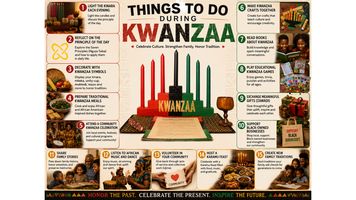
Kwanzaa is a seven-day celebration of African American culture, heritage, family, and community observed each year from December 26 through January 1. While many people recognize Kwanzaa for its seven principles (Nguzo Saba) and the lighting of the kinara, the holiday is also filled with meaningful traditions, educational activities, music, food, creativity, and opportunities to strengthen family bonds.


Whether you're celebrating Kwanzaa for the first time or continuing a cherished family tradition, this guide shares meaningful things to do during Kwanzaa that honor its values while creating lasting memories for every generation.

Meaning of the Kwanzaa Kinara: Symbolism ExplainedMeaning of the Kwanzaa Kinara: Symbolism Explained
Meaning of the Kwanzaa Kinara: Symbolism Explained

A Kinara is a candleholder used during Kwanzaa, holding seven candles, each representing one of the Mishumaa Saba, or the seven principles of Kwanzaa. Traditionally, the Kinara is made of wood and comes in various shapes, from classic linear designs to modern pyramid forms. The candles are arranged with three red candles on the left, three green candles on the right, and a single black candle in the center.

Kwanzaa Kinaras: Prices, Features, and Ideal Choices for Every CelebrationKwanzaa Kinaras: Prices, Features, and Ideal Choices for Every Celebration
Kwanzaa Kinaras: Prices, Features, and Ideal Choices for Every Celebration

Celebrating Kwanzaa involves honoring community, culture, and family. One of the most symbolic items in this celebration is the kinara, which holds the seven candles representing the Nguzo Saba, also known as the Seven Principles of Kwanzaa. But with so many options available, how do you choose the perfect kinara for your celebration? To help you select the perfect kinara, we’ve provided a comparison chart below that breaks down the essential details of each design and what makes each unique, so you can select one that best fits your needs.

Who Created Kwanzaa?Who Created Kwanzaa?
Who Created Kwanzaa?

Kwanzaa was created in 1966 by Maulana Karenga, an African American professor, author, and cultural activist who was 25 years old when he established the celebration. Born Ronald McKinley Everett, he later adopted the name Maulana Karenga, a name that reflected his commitment to African culture, education, and the preservation of tradition.

History of Kwanzaa: Origins, Traditions & MeaningHistory of Kwanzaa: Origins, Traditions & Meaning
History of Kwanzaa: Origins, Traditions & Meaning

Kwanzaa is a non-religious holiday celebrated around the world from December 26 to January 1. On the sixth day, families and communities gather for a communal feast called Karamu. The name “Kwanzaa” comes from the Swahili phrase matunda ya kwanza, meaning “first fruits.”

How to Light the Kwanzaa Candles?How to Light the Kwanzaa Candles?
How to Light the Kwanzaa Candles?

The Kwanzaa kinara holds seven candles, which are arranged in the symbolic colors of red, black, and green. These Kwanzaa candle colors are deeply meaningful, with the black candle symbolizing the people, the red candles representing the struggles of our ancestors, and the green candles symbolizing the rich resources of Africa and the hope for our future. Together, these candles are referred to as the Mishumaa Saba, which represent the seven guiding principles of Kwanzaa, also known as the Nguzo Saba.


How to Celebrate Kwanzaa Year-Round: Summer Activities & TraditionsHow to Celebrate Kwanzaa Year-Round: Summer Activities & Traditions
How to Celebrate Kwanzaa Year-Round: Summer Activities & Traditions

Whether it's December or another time of year, the principles and values of Kwanzaa remain relevant and meaningful year round. Celebrating Kwanzaa in the summer can be a unique and meaningful experience. Here are some ideas on how to do it: