Free Shipping on orders over $75!

The Meaning of the Kinara

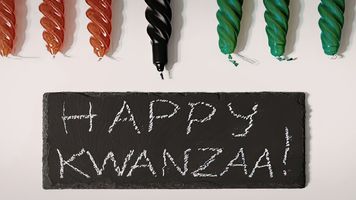
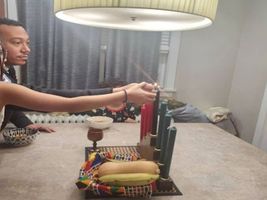
A Kinara is a candleholder used during Kwanzaa, holding seven candles, each representing one of the Mishumaa Saba, or the seven principles of Kwanzaa. Traditionally, the Kinara is made of wood and comes in various shapes, from classic linear designs to modern pyramid forms. The candles are arranged with three red candles on the left, three green candles on the right, and a single black candle in the center.


-Black Candle (Center): Represents the people of African descent and the struggles and triumphs of African heritage.


-Red Candles (Left): Symbolize the struggles and sacrifices of ancestors and the community.


-Green Candles (Right): Represent hope, growth, and the promise of the future.


The Spiritual and Cultural Meaning

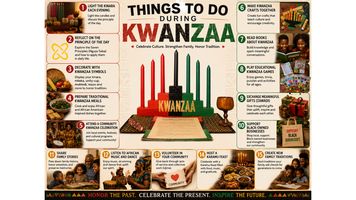
The Kinara represents the roots of African heritage, reminding us of the struggles, triumphs, and enduring spirit of African communities. Each candle lit on the Kinara symbolizes a principle of Kwanzaa, helping families honor their cultural legacy while celebrating growth, unity, and hope for the future. Lighting the candles each night of Kwanzaa allows families to focus on one principle at a time, reinforcing the Nguzo Saba values of:


-Umoja (Unity):

 Strengthening family and community bonds.


-Kujichagulia (Self-Determination):

 Defining and naming oneself.


-Ujima (Collective Work and Responsibility):

 Supporting and solving problems together.


-Ujamaa (Cooperative Economics):

 Building and sustaining community wealth.


-Nia (Purpose):

 Working toward collective goals.


-Kuumba (Creativity):

 Using imagination and talent to improve the community.


-Imani (Faith):

 Believing in people, purpose, and justice.


Each candle’s light is a reminder of these values, illuminating not just the home but also the path toward cultural pride, understanding, and community building.

How the Kinara is Used in Celebration

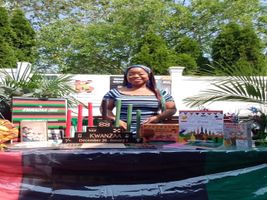
During Kwanzaa, the Kinara is placed on a table on top of a Mkeka (mat) and surrounded by other symbols like the Kikombe cha umoja (unity cup), Mazao (crops) and Zawadi (gifts). Families light one candle each night, beginning with the black candle in the center, followed by alternating red and green candles according to the principles of the day.


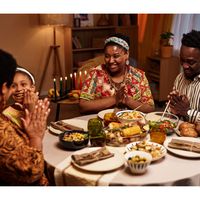
The ritual of lighting the Kinara encourages family reflection, storytelling, and discussion. It is a moment to teach children about heritage, acknowledge past struggles, and commit to building a better future.


Why the Kinara Matters Today

The Kinara continues to be a powerful symbol of African American identity and cultural pride. It encourages each generation to honor the past, celebrate the present, and inspire the future. The Kinara is not just a decorative piece—it is a living symbol of culture, community, and values. Lighting its candles each Kwanzaa strengthens connections between family, heritage, and the principles that uplift African communities worldwide.


Not sure which kinara is right for your celebration? Read our complete Guide to Kwanzaa Kinaras to compare styles, prices, features, and tips for choosing the perfect kinara for your home. When you're ready, shop our Unique Kwanzaa Kinara Set – Pyramid Design Candle Holder for Celebrations with 7 Mishumaa Saba Candles , thoughtfully designed to combine cultural tradition, lasting durability, and timeless craftsmanship for celebrations year after year. Happy Kwanzaa!

Live the Principles. Build the Legacy.

More Posts

Kwanzaa Kinaras: Prices, Features, and Ideal Choices for Every CelebrationKwanzaa Kinaras: Prices, Features, and Ideal Choices for Every Celebration
Kwanzaa Kinaras: Prices, Features, and Ideal Choices for Every Celebration

Celebrating Kwanzaa involves honoring community, culture, and family. One of the most symbolic items in this celebration is the kinara, which holds the seven candles representing the Nguzo Saba, also known as the Seven Principles of Kwanzaa. But with so many options available, how do you choose the perfect kinara for your celebration? To help you select the perfect kinara, we’ve provided a comparison chart below that breaks down the essential details of each design and what makes each unique, so you can select one that best fits your needs.

History of Kwanzaa: Origins, Traditions & MeaningHistory of Kwanzaa: Origins, Traditions & Meaning
History of Kwanzaa: Origins, Traditions & Meaning

Kwanzaa is a non-religious holiday celebrated around the world from December 26 to January 1. On the sixth day, families and communities gather for a communal feast called Karamu. The name “Kwanzaa” comes from the Swahili phrase matunda ya kwanza, meaning “first fruits.”

How to Light the Kwanzaa Candles?How to Light the Kwanzaa Candles?
How to Light the Kwanzaa Candles?

The Kwanzaa kinara holds seven candles, which are arranged in the symbolic colors of red, black, and green. These Kwanzaa candle colors are deeply meaningful, with the black candle symbolizing the people, the red candles representing the struggles of our ancestors, and the green candles symbolizing the rich resources of Africa and the hope for our future. Together, these candles are referred to as the Mishumaa Saba, which represent the seven guiding principles of Kwanzaa, also known as the Nguzo Saba.


How to Celebrate Kwanzaa Year-Round: Summer Activities & TraditionsHow to Celebrate Kwanzaa Year-Round: Summer Activities & Traditions
How to Celebrate Kwanzaa Year-Round: Summer Activities & Traditions

Whether it's December or another time of year, the principles and values of Kwanzaa remain relevant and meaningful year round. Celebrating Kwanzaa in the summer can be a unique and meaningful experience. Here are some ideas on how to do it:

How to Make A Kwanzaa Kinara with Candles (20 Minute Activity)How to Make A Kwanzaa Kinara with Candles (20 Minute Activity)
How to Make A Kwanzaa Kinara with Candles (20 Minute Activity)

The Kinara is one of the most important symbols and centerpieces of Kwanzaa. It holds seven candles, known as Mishumaa Saba, which represent the seven principles of Kwanzaa (Nguzo Saba). Each day of Kwanzaa, celebrated from December 26th to January 1st, highlights one of these principles, offering a deeper connection to African American culture, history, and community.


Creating your own kinara is a fun and easy arts and crafts project that adds a personal touch to the celebration while providing an engaging way to learn about the significance of Kwanzaa. Whether you're new to the tradition or looking for a hands-on activity to share with family and friends, this project offers a meaningful way to honor the holiday's values.


Kwanzaa Celebration Dates: December 26 – January 1


The Nguzo Saba (The Seven Principles):


Day 1- Umoja (oo-MOH-jah): Unity; to strive for and maintain unity in our family, community, nation, and race.


Day 2- Kujichagulia (koo-jee-cha-goo-LEE-ah): Self-determination; to define who we are by naming, thinking, speaking, and creating for ourselves.


Day 3- Ujima (oo-JEE-mah): Collective work and responsibility; to build and maintain our communities and to solve our problems together by taking ownership of each others problems.


Day 4- Ujamaa (oo-jah-MAH): Cooperative economics; to open our own businesses and to maintain and profit from them together.


Day 5- Nia (NEE-ah): Purpose; To develop personal goals to restore our community and Black people back to their traditional greatness.


Day 6- Kuumba (koo-OOM-bah): Creativity; thinking and doing as much as we can to make our community more beautiful and our world a better place than we inherited it.


Day 7- Imani (ee-MAH-nee): Faith; to believe in each other and everyone around us despite our struggles and past. by step.


How to Decorate for Kwanzaa: A Complete GuideHow to Decorate for Kwanzaa: A Complete Guide
How to Decorate for Kwanzaa: A Complete Guide

Decorating for Kwanzaa involves incorporating the best and beautiful traditional symbols and colors that represent the principles and values of this African-American holiday. Here's a step-by-step guide to help you decorate for Kwanzaa:

Kwanzaa Gifts: Meaningful Ideas for EveryoneKwanzaa Gifts: Meaningful Ideas for Everyone
Kwanzaa Gifts: Meaningful Ideas for Everyone

As we approach the end of the year, millions of families are preparing to celebrate Kwanzaa—a vibrant cultural holiday that honors African heritage, community, and family. Founded in 1966 by Dr. Maulana Karenga, Kwanzaa is centered around seven guiding principles known as the Nguzo Saba. It’s a time to reflect on African heritage and culture, engage in family and community-building activities, and exchange meaningful gifts. If you're looking for authentic, hand-carved, and culturally rich Kwanzaa gifts in 2024, our curated selection at Seven Symbols of Kwanzaa can help make your celebration truly special.

Where to Celebrate Kwanzaa?Where to Celebrate Kwanzaa?
Where to Celebrate Kwanzaa?

Kwanzaa is a non-religious holiday that is globally celebrated from December 26 through January 1st. Celebrate the holiday with these events in New Jersey and New York! Don’t miss out on this opportunity to celebrate and embrace the values of Kwanzaa with your loved ones, and make this holiday season truly memorable.


About This BlogAbout This Blog
About This Blog

Welcome to the Seven Symbols of Kwanzaa Blog—a place where culture, creativity, and community come together. Whether you're celebrating Kwanzaa for the first time or have honored the holiday for years, this blog is here to inspire, educate, and help you celebrate with purpose.


Here you'll find Kwanzaa traditions, the meaning behind the Nguzo Saba (Seven Principles), family activities, decorating ideas, DIY projects, recipes, educational resources, product spotlights, behind-the-scenes stories, and updates from our business. We also share ways to live the principles of Kwanzaa throughout the year, not just during the seven-day celebration.


Our goal is to provide meaningful resources that strengthen families, honor African heritage, and encourage unity, creativity, and cultural pride—one story, one tradition, and one celebration at a time.