Free Shipping on orders over $75!

Image Credit: iStockGettyImage

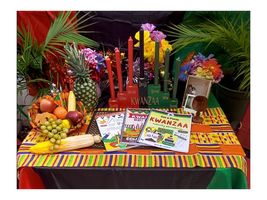
Kwanzaa Table 

Traditional Kwanzaa Symbols

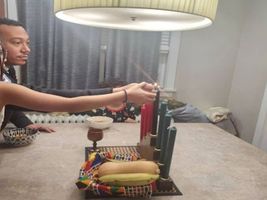
2. Decorate: Decorate your space with traditional Kwanzaa symbols such as the Kinara (candle holder) with Mishumaa Saba candles, Mkeka (mat), unity cup, bendera flag, kenteKwanzaa poster, and Mazao (crops/fruits). Use summer-themed colors and elements alongside traditional African ones. Include the pan African table cloth with the colors red, black, and green. Incorporate natural elements such as flowers, fruits, and herbs into your decorations and rituals. These elements can symbolize abundance, beauty, and connection to the earth.


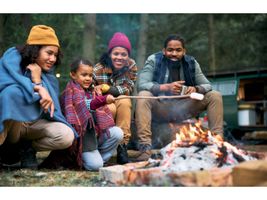
3. Light the Kinara: Light the candles on the Kinara each day of Kwanzaa. Even though it's summer, share stories, songs, and poetry that highlight African culture and history. This can be done around a campfire or during a gathering under the stars.


How to Celebrate Kwanzaa Year-Round: Summer Activites & Traditions

Whether it's December or another time of year, the principles and values of Kwanzaa remain relevant and meaningful year round. Celebrating Kwanzaa in the summer can be a unique and meaningful experience. Here are some ideas on how to do it:


1. Acknowledge the Seven Principles of Kwanzaa (The Nguzo Saba): Reflect on and discuss each of the seven principles of Kwanzaa - unity (Umoja), self-determination (Kujichagulia), collective work and responsibility (Ujima), cooperative economics (Ujamaa), purpose (Nia), creativity (Kuumba), and faith (Imani). These principles are timeless and can be explored and applied throughout the year.


Prepare for a Meaningful Summer Kwanzaa Celebration 

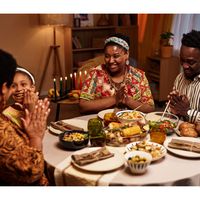
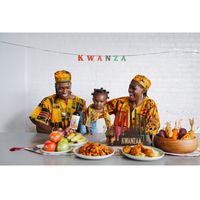
4. Prepare and share meals: Take advantage of the warmer weather by hosting Kwanzaa gatherings outdoors. This could be in a backyard, park, or any outdoor space where you can gather with family and friends. Traditional Kwanzaa meals often include dishes like soul food and other African-American cuisines. Incorporate seasonal fruits and vegetables into your menu to reflect summer flavors.


5. Focus on community and family: Kwanzaa emphasizes unity, self-determination, collective work, and responsibility. Spend time with loved ones, discuss the principles of Kwanzaa, and reflect on how they can guide community growth during the summer months to the New Year.


6. Focus on personal goals: Reflect on the principles of Kwanzaa and how they can guide personal growth. Set time aside to write down your natural talents and skills. Set goals that align with the values of the Nguzo Saba and create a plan for how you can use your natural talents for your personal growth. Set intentions for the future, reassess your current goals, make adjustments if needed. Then, recommit to them in the summer for finishing the year strong. Celebrate small wins and progress along the way.


7. Engage in cultural activities: Listen to African music, read African literature, watch films, or visit cultural institutions that celebrate African culture, heritage, history, and achievements. This can help deepen your understanding and appreciation of Kwanzaa and African culture, heritage, and history.


8. Give meaningful Kwanzaa gifts: Kwanzaa often involves giving educational or culturally significant gifts to children. In the summer, consider Kwanzaa gifts that encourage outdoor activities, learning about nature, and exploring their interests and new hobbies, such as gardening, photography, painting, drawing, cooking, and pottery. New experiences not only spark curiosity, but help children find their passions, which have long lasting effects into adulthood.


9. Participate in community events: If there are local events or gatherings celebrating Kwanzaa, Juneteenth, African Arts, Culture, and Festivals, consider attending or organizing one yourself. It can be a great way to connect with others who share your interest in African heritage and traditions.


Keep the Seven Principles Alive

10. Support Black owned businesses: Practice Ujamaa (cooperative economics) by supporting Black-owned businesses in your community. This could include buying Kwanzaa gifts, food, or other items needed for the celebration.


11. Celebrate Creativity: Emphasize Kuumba (creativity) by engaging in artistic activities such as music, dance, storytelling, or crafting. This can be a way to express cultural pride and creativity during the celebration.


12. Planting and Harvesting: Emphasize the principle of Nia (purpose) by planting a garden or participating in community gardening activities. This can symbolize growth, renewal, and collective responsibility.


13. Community Service: Practice Ujima (collective work and responsibility) by organizing or participating in community service projects. This could involve volunteering for local initiatives or supporting causes that align with the principles of Kwanzaa.


14. Water Ritual: Incorporate a water ritual to symbolize purification, unity, and Ancestral veneration. Water can be poured into plants and onto the earth.


Remember, the essence of Kwanzaa lies in celebrating African culture, heritage, history, family, and community. Tailor your celebrations to fit the summer season while respecting and honoring the traditions of Kwanzaa. Heri za Kwanzaa in the Summer! Ready to take your Kwanzaa celebrations to the next level? After exploring 'Kwanzaa in the Summer,' dive into our blog on 'How to Decorate for Kwanzaa' for inspiring tips on creating a meaningful and festive atmosphere this holiday season!

Live the Principles. Build the Legacy.

More Posts

History of Kwanzaa: Origins, Traditions & MeaningHistory of Kwanzaa: Origins, Traditions & Meaning
History of Kwanzaa: Origins, Traditions & Meaning

Kwanzaa is a non-religious holiday celebrated around the world from December 26 to January 1. On the sixth day, families and communities gather for a communal feast called Karamu. The name “Kwanzaa” comes from the Swahili phrase matunda ya kwanza, meaning “first fruits.”

How to Light the Kwanzaa Candles?How to Light the Kwanzaa Candles?
How to Light the Kwanzaa Candles?

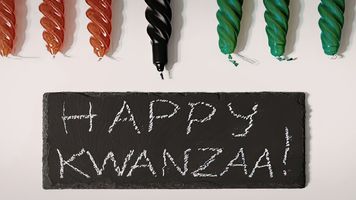
The Kwanzaa kinara holds seven candles, which are arranged in the symbolic colors of red, black, and green. These Kwanzaa candle colors are deeply meaningful, with the black candle symbolizing the people, the red candles representing the struggles of our ancestors, and the green candles symbolizing the rich resources of Africa and the hope for our future. Together, these candles are referred to as the Mishumaa Saba, which represent the seven guiding principles of Kwanzaa, also known as the Nguzo Saba.


How to Make A Kwanzaa Kinara with Candles (20 Minute Activity)How to Make A Kwanzaa Kinara with Candles (20 Minute Activity)
How to Make A Kwanzaa Kinara with Candles (20 Minute Activity)

The Kinara is one of the most important symbols and centerpieces of Kwanzaa. It holds seven candles, known as Mishumaa Saba, which represent the seven principles of Kwanzaa (Nguzo Saba). Each day of Kwanzaa, celebrated from December 26th to January 1st, highlights one of these principles, offering a deeper connection to African American culture, history, and community.


Creating your own kinara is a fun and easy arts and crafts project that adds a personal touch to the celebration while providing an engaging way to learn about the significance of Kwanzaa. Whether you're new to the tradition or looking for a hands-on activity to share with family and friends, this project offers a meaningful way to honor the holiday's values.


Kwanzaa Celebration Dates: December 26 – January 1


The Nguzo Saba (The Seven Principles):


Day 1- Umoja (oo-MOH-jah): Unity; to strive for and maintain unity in our family, community, nation, and race.


Day 2- Kujichagulia (koo-jee-cha-goo-LEE-ah): Self-determination; to define who we are by naming, thinking, speaking, and creating for ourselves.


Day 3- Ujima (oo-JEE-mah): Collective work and responsibility; to build and maintain our communities and to solve our problems together by taking ownership of each others problems.


Day 4- Ujamaa (oo-jah-MAH): Cooperative economics; to open our own businesses and to maintain and profit from them together.


Day 5- Nia (NEE-ah): Purpose; To develop personal goals to restore our community and Black people back to their traditional greatness.


Day 6- Kuumba (koo-OOM-bah): Creativity; thinking and doing as much as we can to make our community more beautiful and our world a better place than we inherited it.


Day 7- Imani (ee-MAH-nee): Faith; to believe in each other and everyone around us despite our struggles and past. by step.


How to Decorate for Kwanzaa: A Complete GuideHow to Decorate for Kwanzaa: A Complete Guide
How to Decorate for Kwanzaa: A Complete Guide

Decorating for Kwanzaa involves incorporating the best and beautiful traditional symbols and colors that represent the principles and values of this African-American holiday. Here's a step-by-step guide to help you decorate for Kwanzaa:

Kwanzaa Gifts: Meaningful Ideas for EveryoneKwanzaa Gifts: Meaningful Ideas for Everyone
Kwanzaa Gifts: Meaningful Ideas for Everyone

As we approach the end of the year, millions of families are preparing to celebrate Kwanzaa—a vibrant cultural holiday that honors African heritage, community, and family. Founded in 1966 by Dr. Maulana Karenga, Kwanzaa is centered around seven guiding principles known as the Nguzo Saba. It’s a time to reflect on African heritage and culture, engage in family and community-building activities, and exchange meaningful gifts. If you're looking for authentic, hand-carved, and culturally rich Kwanzaa gifts in 2024, our curated selection at Seven Symbols of Kwanzaa can help make your celebration truly special.

Where to Celebrate Kwanzaa?Where to Celebrate Kwanzaa?
Where to Celebrate Kwanzaa?

Kwanzaa is a non-religious holiday that is globally celebrated from December 26 through January 1st. Celebrate the holiday with these events in New Jersey and New York! Don’t miss out on this opportunity to celebrate and embrace the values of Kwanzaa with your loved ones, and make this holiday season truly memorable.


About This BlogAbout This Blog
About This Blog

Welcome to the Seven Symbols of Kwanzaa Blog—a place where culture, creativity, and community come together. Whether you're celebrating Kwanzaa for the first time or have honored the holiday for years, this blog is here to inspire, educate, and help you celebrate with purpose.


Here you'll find Kwanzaa traditions, the meaning behind the Nguzo Saba (Seven Principles), family activities, decorating ideas, DIY projects, recipes, educational resources, product spotlights, behind-the-scenes stories, and updates from our business. We also share ways to live the principles of Kwanzaa throughout the year, not just during the seven-day celebration.


Our goal is to provide meaningful resources that strengthen families, honor African heritage, and encourage unity, creativity, and cultural pride—one story, one tradition, and one celebration at a time.

How Are the Seven Principles of Kwanzaa Practiced?How Are the Seven Principles of Kwanzaa Practiced?
How Are the Seven Principles of Kwanzaa Practiced?

Many people know that Kwanzaa is celebrated from December 26 through January 1, but fewer realize that its Seven Principles (Nguzo Saba) were designed to be lived every day of the year. Rather than existing only as holiday traditions, the principles serve as a guide for building stronger families, healthier communities, successful businesses, and meaningful personal lives. Whether you're celebrating Kwanzaa for the first time or looking for ways to deepen your practice, this guide explores practical ways to live each principle in everyday life.


What Are the Seven Principles of Kwanzaa?

The Nguzo Saba are seven values introduced by Dr. Maulana Karenga in 1966, to encourage cultural identity, community responsibility, and collective progress. They are: Umoja (Unity), Kujichagulia (Self-Determination), Ujima (Collective Work and Responsibility), Ujamaa (Cooperative Economics), Nia (Purpose), Kuumba (Creativity), and Imani (Faith). Each principle is honored on one day during Kwanzaa, but they are intended to shape everyday decisions throughout the year.