Free Shipping on orders over $75!

The Symbolism of Mishumaa Saba (Kwanzaa Candles) and How to Light Them in Order

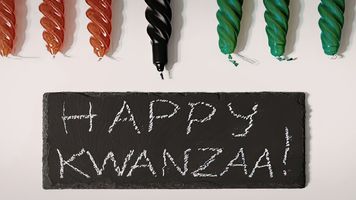
The Kwanzaa kinara holds seven candles, which are arranged in the symbolic colors of red, black, and green. These Kwanzaa candle colors are deeply meaningful, with the black candle symbolizing the people, the red candles representing the struggles of our ancestors, and the green candles symbolizing the rich resources of Africa and the hope for our future. Together, these candles are referred to as the Mishumaa Saba, which represent the seven guiding principles of Kwanzaa, also known as the Nguzo Saba.


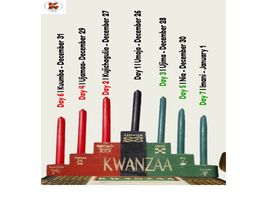
At the center of the kinara is the black candle, which is lit on the first day of Kwanzaa to represent Umoja (unity). Understanding the Kwanzaa candles order is essential for properly celebrating the holiday. To the left of the black candle are three red candles, symbolizing the struggle and sacrifices that paved the way for progress. These red candles are lit in the following order to reflect the principles of Kujichagulia (self-determination), Ujamaa (cooperative economics), and Kuumba (creativity).


On the right side of the kinara, the three green candles represent hope for the future and a prosperous community. These candles symbolize the principles of Ujima (collective work and responsibility), Nia (purpose), and Imani (faith), and are lit from left to right in that order throughout the seven days of Kwanzaa.


Below is a visual representation of how the candles for Kwanzaa are arranged and the specific Kwanzaa candles order in which they are lit during the seven days of the celebration:


The Deeper Meaning Behind Kwanzaa's Seven Candles

The Kwanzaa seven candles serve as both a beautiful centerpiece for the celebration and a profound symbol of the holiday's guiding principles. Each candle in the Kwanzaa kinara—whether black, red, or green—carries deep significance. The black candle represents unity; the red candles symbolize self-determination, cooperative economics, and creativity; and the green candles stand for collective work, purpose, and faith. These Kwanzaa candle colors encourage families to reflect on values such as unity, responsibility, and hope as they celebrate each day of Kwanzaa.


By following the Kwanzaa candles order and understanding the meaning behind the candles for Kwanzaa, we honor our heritage and strengthen our connections with each other and our communities. This careful arrangement and lighting of the Kwanzaa seven candles throughout the celebration help us reflect on the struggles of the past and our aspirations for the future.


As you prepare for Kwanzaa, consider incorporating these principles into your daily life and sharing their significance with your loved ones. Ensure your Kinara shines bright with the vibrant colors of Kwanzaa, featuring the seven essential candles: three red, one black, and three green.

We invite you to explore our Kwanzaa Candle Sets featuring high-quality, fully dipped candles that are colored to the core, ensuring vibrant hues that will last throughout the celebration. Each set includes:


Rich, vivid colors that beautifully represent the principles of Kwanzaa.


Exceptional craftsmanship for a clean, even burn that enhances your festive atmosphere.


Seven candles prepared & packaged by artisans who celebrate Kwanzaa just like you, infusing each candle with the spirit of this important holiday.


Shop our Kwanzaa Candle Sets now to bring home the perfect candles that illuminate your celebration with warmth, beauty, and cultural significance! Embrace the opportunity to connect with African heritage, fostering a sense of pride, community, and purpose. May your Kwanzaa celebration be filled with joy, reflection, and a renewed commitment to the values that uplift and empower us all.

Live the Principles. Build the Legacy.

More Posts

History of Kwanzaa: Origins, Traditions & MeaningHistory of Kwanzaa: Origins, Traditions & Meaning
History of Kwanzaa: Origins, Traditions & Meaning

Kwanzaa is a non-religious holiday celebrated around the world from December 26 to January 1. On the sixth day, families and communities gather for a communal feast called Karamu. The name “Kwanzaa” comes from the Swahili phrase matunda ya kwanza, meaning “first fruits.”

How to Celebrate Kwanzaa Year-Round: Summer Activities & TraditionsHow to Celebrate Kwanzaa Year-Round: Summer Activities & Traditions
How to Celebrate Kwanzaa Year-Round: Summer Activities & Traditions

Whether it's December or another time of year, the principles and values of Kwanzaa remain relevant and meaningful year round. Celebrating Kwanzaa in the summer can be a unique and meaningful experience. Here are some ideas on how to do it:

How to Make A Kwanzaa Kinara with Candles (20 Minute Activity)How to Make A Kwanzaa Kinara with Candles (20 Minute Activity)
How to Make A Kwanzaa Kinara with Candles (20 Minute Activity)

The Kinara is one of the most important symbols and centerpieces of Kwanzaa. It holds seven candles, known as Mishumaa Saba, which represent the seven principles of Kwanzaa (Nguzo Saba). Each day of Kwanzaa, celebrated from December 26th to January 1st, highlights one of these principles, offering a deeper connection to African American culture, history, and community.


Creating your own kinara is a fun and easy arts and crafts project that adds a personal touch to the celebration while providing an engaging way to learn about the significance of Kwanzaa. Whether you're new to the tradition or looking for a hands-on activity to share with family and friends, this project offers a meaningful way to honor the holiday's values.


Kwanzaa Celebration Dates: December 26 – January 1


The Nguzo Saba (The Seven Principles):


Day 1- Umoja (oo-MOH-jah): Unity; to strive for and maintain unity in our family, community, nation, and race.


Day 2- Kujichagulia (koo-jee-cha-goo-LEE-ah): Self-determination; to define who we are by naming, thinking, speaking, and creating for ourselves.


Day 3- Ujima (oo-JEE-mah): Collective work and responsibility; to build and maintain our communities and to solve our problems together by taking ownership of each others problems.


Day 4- Ujamaa (oo-jah-MAH): Cooperative economics; to open our own businesses and to maintain and profit from them together.


Day 5- Nia (NEE-ah): Purpose; To develop personal goals to restore our community and Black people back to their traditional greatness.


Day 6- Kuumba (koo-OOM-bah): Creativity; thinking and doing as much as we can to make our community more beautiful and our world a better place than we inherited it.


Day 7- Imani (ee-MAH-nee): Faith; to believe in each other and everyone around us despite our struggles and past. by step.


How to Decorate for Kwanzaa: A Complete GuideHow to Decorate for Kwanzaa: A Complete Guide
How to Decorate for Kwanzaa: A Complete Guide

Decorating for Kwanzaa involves incorporating the best and beautiful traditional symbols and colors that represent the principles and values of this African-American holiday. Here's a step-by-step guide to help you decorate for Kwanzaa:

Kwanzaa Gifts: Meaningful Ideas for EveryoneKwanzaa Gifts: Meaningful Ideas for Everyone
Kwanzaa Gifts: Meaningful Ideas for Everyone

As we approach the end of the year, millions of families are preparing to celebrate Kwanzaa—a vibrant cultural holiday that honors African heritage, community, and family. Founded in 1966 by Dr. Maulana Karenga, Kwanzaa is centered around seven guiding principles known as the Nguzo Saba. It’s a time to reflect on African heritage and culture, engage in family and community-building activities, and exchange meaningful gifts. If you're looking for authentic, hand-carved, and culturally rich Kwanzaa gifts in 2024, our curated selection at Seven Symbols of Kwanzaa can help make your celebration truly special.

Where to Celebrate Kwanzaa?Where to Celebrate Kwanzaa?
Where to Celebrate Kwanzaa?

Kwanzaa is a non-religious holiday that is globally celebrated from December 26 through January 1st. Celebrate the holiday with these events in New Jersey and New York! Don’t miss out on this opportunity to celebrate and embrace the values of Kwanzaa with your loved ones, and make this holiday season truly memorable.


About This BlogAbout This Blog
About This Blog

Welcome to the Seven Symbols of Kwanzaa Blog—a place where culture, creativity, and community come together. Whether you're celebrating Kwanzaa for the first time or have honored the holiday for years, this blog is here to inspire, educate, and help you celebrate with purpose.


Here you'll find Kwanzaa traditions, the meaning behind the Nguzo Saba (Seven Principles), family activities, decorating ideas, DIY projects, recipes, educational resources, product spotlights, behind-the-scenes stories, and updates from our business. We also share ways to live the principles of Kwanzaa throughout the year, not just during the seven-day celebration.


Our goal is to provide meaningful resources that strengthen families, honor African heritage, and encourage unity, creativity, and cultural pride—one story, one tradition, and one celebration at a time.

How Are the Seven Principles of Kwanzaa Practiced?How Are the Seven Principles of Kwanzaa Practiced?
How Are the Seven Principles of Kwanzaa Practiced?

Many people know that Kwanzaa is celebrated from December 26 through January 1, but fewer realize that its Seven Principles (Nguzo Saba) were designed to be lived every day of the year. Rather than existing only as holiday traditions, the principles serve as a guide for building stronger families, healthier communities, successful businesses, and meaningful personal lives. Whether you're celebrating Kwanzaa for the first time or looking for ways to deepen your practice, this guide explores practical ways to live each principle in everyday life.


What Are the Seven Principles of Kwanzaa?

The Nguzo Saba are seven values introduced by Dr. Maulana Karenga in 1966, to encourage cultural identity, community responsibility, and collective progress. They are: Umoja (Unity), Kujichagulia (Self-Determination), Ujima (Collective Work and Responsibility), Ujamaa (Cooperative Economics), Nia (Purpose), Kuumba (Creativity), and Imani (Faith). Each principle is honored on one day during Kwanzaa, but they are intended to shape everyday decisions throughout the year.