Free Shipping on orders over $75!

How to Decorate for Kwanzaa: A Complete Guide

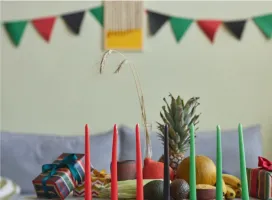
Decorating for Kwanzaa involves incorporating the best and beautiful traditional symbols and colors that represent the principles and values of this African-American holiday. Here's a step-by-step guide to help you decorate for Kwanzaa:

1. Understand the Basics

Kwanzaa is a seven-day celebration that begins on December 26th and ends on January 1st. The principles of Kwanzaa is becoming an integral part of the daily lives of families and communities globally. It is a time for African-Americans to honor their African heritage, commemorate the past, promote unity, and reflect on seven principles known as the Nguzo Saba. Kwanzaa is a non-religious holiday. Therefore, people from all walks of life and faith can and do celebrate Kwanzaa.

2. Choose a Color Scheme

The primary colors associated with Kwanzaa are red, black, and green. Red symbolizes the struggle and bloodshed for freedom, black represents the African people, and green represents the hope for the future.

3. Setup Kwanzaa Table

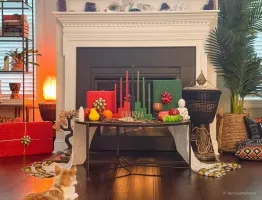
The central focus of Kwanzaa decoration is the Kwanzaa table.


Here's how to set it up:


- Start with a tablecloth:- Cover the table with a colorful African cloth, preferably one with traditional patterns like the red, black, and green Pan African flag for African Americans created by Marcus Garvey.

Next, gather the seven symbols of Kwanzaa:

1. Mkeka (The Mat):

- Place a straw mat or woven placemats, Mkeka (Mat) on top of the cloth. The mkeka is traditionally symbolic and the foundation to which all other symbols are placed.

2. Kinara (The Candle Holder):

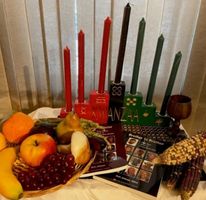
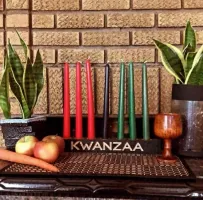
- Add a Kinara, a candleholder, to the center of the Mkeka. The Kinara represents African heritage, roots. and Ancestors.


3. Mishumaa Saba (The Seven Candles):

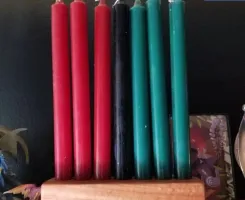
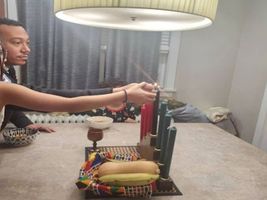
-The Kinara holds seven candles: one black candle in the center (the Umoja candle) and three red candles on the left and three green candles on the right. Light one candle each day, starting with the black Umoja candle on December 26th and alternating between red and green candles from left to right.

4. Mazao (Fruits and Vegetables):

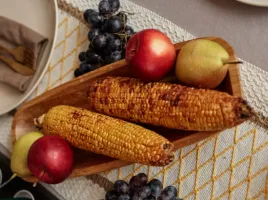
Use fresh fruits and vegetables. Place a bowl of fruits and vegetables on the table to symbolize the bounty of the harvest season and fruits of labor. Place this fruit & vegetable basket to the front left of the kinara.

5. Muhindi (Ears of Corn):

Display one ear of corn for each child in the family to represent the potential of the future generation. As a symbol for all the children in the community, place one vibunzi (ear of corn) on the table, when there is no child in the family.


6. Kikombe Cha Umoja (Unity Cup):

Set out the Unity Cup, which is used for the pouring and sharing of libations during the celebration. Place it front-right of the kinara.


7. Zawadi (Heritage Symbols, Handmade Gifts or Books):

Place meaningful gifts or books (mainly for children) on the table, emphasizing the importance of self-improvement and achievement- turning the Kwanzaa table into a visual story rather than purely decorative. It grounds the aesthetic in substance, so the display invites conversation and reflection, not just admiration.

8. African Art, Harvest Symbols, and Crafts

Decorate your Kwanzaa space with African artwork, crafts, cloth, baskets, and sculptures to add a cultural touch to your Kwanzaa celebration. Additional decor to enhance your Kwanzaa area include:


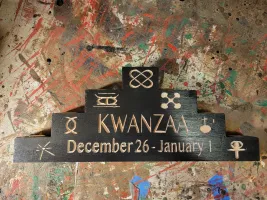
- Hang a Nguzo Saba (Kwanzaa Poster) or Bendera ya Taifa (Pan African Flag) for your wall decor.


-Crafts: Create a DIY Kwanzaa Banner or table runner made of kente cloth.


-Add Photos: You can also hang pictures of loved ones, to pay special homage to family and special community Ancestors who struggled and died to unify, empower, and free people of African descent.


-Music: Add Traditional African Music to enhance the atmosphere.


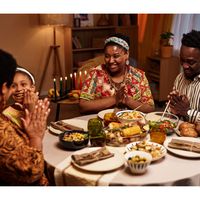
-Arrange Seating: Arrange seating around the Kwanzaa table for family and friends to gather during the lighting of the candles and the sharing of the principles.


-Festive Houseplants: Add a beautiful plant in your home for pouring Ancestor libations.


Things to Remember

Kwanzaa is a time for reflection, for recommitting to cultural ideals, and for honoring the Creator and creation. It's a time to commemorate the past and celebrate African tradition and culture — a season when families and communities come together to recommit to the highest ideals and practices for a meaningful, productive life.


Decorating your space thoughtfully can deepen that experience, creating a warm and inviting atmosphere for everyone. Kwanzaa deserves the same creativity and care we bring to any other holiday. So, decorate with pride!


Kwanzaa is a young yet deeply lived tradition, so as you prepare your home, let the principle of Ujamaa (cooperative economics) guide your choices — shop with local artisans and Black-owned businesses.


Decorating this way does more than spark joy: practicing Umoja (unity) strengthens bonds and lowers stress, while making space for Kuumba (creativity) turns handmade pieces into keepsakes that become part of your Kwanzaa celebration year after year.


Alongside, our sustainably sourced materials — including durable oak wood used in our handmade Kinaras by African-American artisans, alongside curated Kwanzaa celebration sets — bring a distinct value that mass-produced decor often lacks. Each piece feels handcrafted and warm rather than store-bought, with every unique item carrying meaning that reinforces the holiday's principles, the Nguzo Saba. Together with your own creativity and personal touches, these decor pieces root your Kwanzaa space in heritage, authenticity, and values — reinforcing identity and connection to ancestry and community in a way that purely ornamental decorations could never.


Happy Kwanzaa decorating, and Happy Kwanzaa!

Live the Principles. Build the Legacy.

More Posts

How to Make A Kwanzaa Kinara with Candles (20 Minute Activity)How to Make A Kwanzaa Kinara with Candles (20 Minute Activity)
How to Make A Kwanzaa Kinara with Candles (20 Minute Activity)

The Kinara is one of the most important symbols and centerpieces of Kwanzaa. It holds seven candles, known as Mishumaa Saba, which represent the seven principles of Kwanzaa (Nguzo Saba). Each day of Kwanzaa, celebrated from December 26th to January 1st, highlights one of these principles, offering a deeper connection to African American culture, history, and community.


Creating your own kinara is a fun and easy arts and crafts project that adds a personal touch to the celebration while providing an engaging way to learn about the significance of Kwanzaa. Whether you're new to the tradition or looking for a hands-on activity to share with family and friends, this project offers a meaningful way to honor the holiday's values.


Kwanzaa Celebration Dates: December 26 – January 1


The Nguzo Saba (The Seven Principles):


Day 1- Umoja (oo-MOH-jah): Unity; to strive for and maintain unity in our family, community, nation, and race.


Day 2- Kujichagulia (koo-jee-cha-goo-LEE-ah): Self-determination; to define who we are by naming, thinking, speaking, and creating for ourselves.


Day 3- Ujima (oo-JEE-mah): Collective work and responsibility; to build and maintain our communities and to solve our problems together by taking ownership of each others problems.


Day 4- Ujamaa (oo-jah-MAH): Cooperative economics; to open our own businesses and to maintain and profit from them together.


Day 5- Nia (NEE-ah): Purpose; To develop personal goals to restore our community and Black people back to their traditional greatness.


Day 6- Kuumba (koo-OOM-bah): Creativity; thinking and doing as much as we can to make our community more beautiful and our world a better place than we inherited it.


Day 7- Imani (ee-MAH-nee): Faith; to believe in each other and everyone around us despite our struggles and past. by step.


Kwanzaa Gifts: Meaningful Ideas for EveryoneKwanzaa Gifts: Meaningful Ideas for Everyone
Kwanzaa Gifts: Meaningful Ideas for Everyone

As we approach the end of the year, millions of families are preparing to celebrate Kwanzaa—a vibrant cultural holiday that honors African heritage, community, and family. Founded in 1966 by Dr. Maulana Karenga, Kwanzaa is centered around seven guiding principles known as the Nguzo Saba. It’s a time to reflect on African heritage and culture, engage in family and community-building activities, and exchange meaningful gifts. If you're looking for authentic, hand-carved, and culturally rich Kwanzaa gifts in 2024, our curated selection at Seven Symbols of Kwanzaa can help make your celebration truly special.

Where to Celebrate Kwanzaa?Where to Celebrate Kwanzaa?
Where to Celebrate Kwanzaa?

Kwanzaa is a non-religious holiday that is globally celebrated from December 26 through January 1st. Celebrate the holiday with these events in New Jersey and New York! Don’t miss out on this opportunity to celebrate and embrace the values of Kwanzaa with your loved ones, and make this holiday season truly memorable.


About This BlogAbout This Blog
About This Blog

Welcome to the Seven Symbols of Kwanzaa Blog—a place where culture, creativity, and community come together. Whether you're celebrating Kwanzaa for the first time or have honored the holiday for years, this blog is here to inspire, educate, and help you celebrate with purpose.


Here you'll find Kwanzaa traditions, the meaning behind the Nguzo Saba (Seven Principles), family activities, decorating ideas, DIY projects, recipes, educational resources, product spotlights, behind-the-scenes stories, and updates from our business. We also share ways to live the principles of Kwanzaa throughout the year, not just during the seven-day celebration.


Our goal is to provide meaningful resources that strengthen families, honor African heritage, and encourage unity, creativity, and cultural pride—one story, one tradition, and one celebration at a time.

How Are the Seven Principles of Kwanzaa Practiced?How Are the Seven Principles of Kwanzaa Practiced?
How Are the Seven Principles of Kwanzaa Practiced?

Many people know that Kwanzaa is celebrated from December 26 through January 1, but fewer realize that its Seven Principles (Nguzo Saba) were designed to be lived every day of the year. Rather than existing only as holiday traditions, the principles serve as a guide for building stronger families, healthier communities, successful businesses, and meaningful personal lives. Whether you're celebrating Kwanzaa for the first time or looking for ways to deepen your practice, this guide explores practical ways to live each principle in everyday life.


What Are the Seven Principles of Kwanzaa?

The Nguzo Saba are seven values introduced by Dr. Maulana Karenga in 1966, to encourage cultural identity, community responsibility, and collective progress. They are: Umoja (Unity), Kujichagulia (Self-Determination), Ujima (Collective Work and Responsibility), Ujamaa (Cooperative Economics), Nia (Purpose), Kuumba (Creativity), and Imani (Faith). Each principle is honored on one day during Kwanzaa, but they are intended to shape everyday decisions throughout the year.