🎉 7th Anniversary! FREE Custom Umoja Cup (Seven Symbols, Name, or Word) with Every Kwanzaa Celebration Set • 8/01–8/31 • Enter Customization in Checkout Notes • FREE Shipping $75+

Where to Celebrate Kwanzaa?

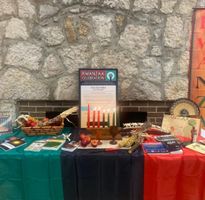
Kwanzaa is a non-religious holiday that is globally celebrated from December 26 through January 1st. Celebrate the holiday with these events in New Jersey and New York! Don’t miss out on this opportunity to celebrate and embrace the values of Kwanzaa with your loved ones, and make this holiday season truly memorable.


Cinnaminson, NJ

December 05, Friday, 7pm

All ages

Tickets start at $125 I Kwanzaa Fundraising Community Awards Dinner

Come celebrate the individuals and groups in the community that are improving Burlington County, New Jersey. The ATAP Scholarship Fund and ATAP Programs benefit from the proceeds. We also welcome you to the African Village MarketPlace where vendors sell and create experiences.


Plainfield, NJ

Plainfield Performing Arts Center, 724 Park Ave, Plainfield, NJ

Pre-Kwanzaa Marketplace Celebration on December 13, Saturday, 12pm-5pm

Parking available across the street in Municipal Lot #7

All ages


Newark, NJ

Kwanzaa Family Festival & Marketplace at NJPAC, 1 Center St,

Newark, NJ 07102

December 20, Saturday, 1pm-7:30pm

All ages

Free - Must RSVP

"Celebrate culture, community and creative expression at NJPAC’s annual Kwanzaa Family Festival & Marketplace!

Join the hundreds of families who make the free Kwanzaa Family Festival part of their annual celebration. It’s a full day of uplifting programs — including a candle-lighting ceremony and vibunzi â€” based on the seven principles of Kwanzaa.

NJPAC’s Community Engagement makes Kwanzaa magical … and memorable."


Stay tuned for more exciting events as we count down to Kwanzaa!

Live the Principles. Build the Legacy.

More Posts

Traditional African American Foods for Karamu Feast & New Ones to TryTraditional African American Foods for Karamu Feast & New Ones to Try
Traditional African American Foods for Karamu Feast & New Ones to Try

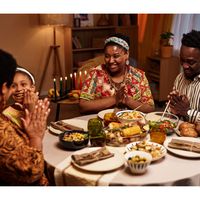
Food has a special way of bringing people together. During Kwanzaa, that spirit comes to life during the Karamu, the traditional communal feast held on December 31. A Karamu can be a time to gather family, friends, neighbors, and community members around a table filled with foods that reflect African American history, family traditions, regional flavors, and the broader African Diaspora.

Can Anyone Celebrate Kwanzaa? Who Should Celebrate Kwanzaa?Can Anyone Celebrate Kwanzaa? Who Should Celebrate Kwanzaa?
Can Anyone Celebrate Kwanzaa? Who Should Celebrate Kwanzaa?

Every year, as Kwanzaa approaches, one question is asked more than almost any other:

"Can anyone celebrate Kwanzaa?"

The short answer is yes—but understanding why Kwanzaa was created and who it was intended to serve is essential to appreciating the holiday respectfully.

Why Celebrate Kwanzaa? A Guide for FamiliesWhy Celebrate Kwanzaa? A Guide for Families
Why Celebrate Kwanzaa? A Guide for Families

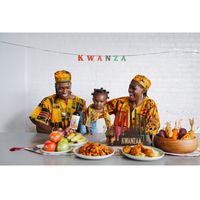
Every year from December 26 through January 1, millions of people around the world celebrate Kwanzaa—a week dedicated to honoring African American culture, family, community, and heritage. While many recognize the holiday by its candles and colorful decorations, Kwanzaa is much more than a festive celebration. It is a time to reflect on shared values, strengthen family bonds, support the community, and pass cultural traditions from one generation to the next.

15 Things to Do During Kwanzaa:  Family Traditions, Activities & Fun Ideas15 Things to Do During Kwanzaa:  Family Traditions, Activities & Fun Ideas
15 Things to Do During Kwanzaa: Family Traditions, Activities & Fun Ideas

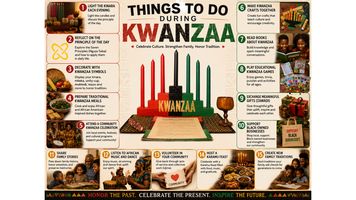
Kwanzaa is a seven-day celebration of African American culture, heritage, family, and community observed each year from December 26 through January 1. While many people recognize Kwanzaa for its seven principles (Nguzo Saba) and the lighting of the kinara, the holiday is also filled with meaningful traditions, educational activities, music, food, creativity, and opportunities to strengthen family bonds.


Whether you're celebrating Kwanzaa for the first time or continuing a cherished family tradition, this guide shares meaningful things to do during Kwanzaa that honor its values while creating lasting memories for every generation.

Meaning of the Kwanzaa Kinara: Symbolism ExplainedMeaning of the Kwanzaa Kinara: Symbolism Explained
Meaning of the Kwanzaa Kinara: Symbolism Explained

A Kinara is a candleholder used during Kwanzaa, holding seven candles, each representing one of the Mishumaa Saba, or the seven principles of Kwanzaa. Traditionally, the Kinara is made of wood and comes in various shapes, from classic linear designs to modern pyramid forms. The candles are arranged with three red candles on the left, three green candles on the right, and a single black candle in the center.

Kwanzaa Kinaras: Prices, Features, and Ideal Choices for Every CelebrationKwanzaa Kinaras: Prices, Features, and Ideal Choices for Every Celebration
Kwanzaa Kinaras: Prices, Features, and Ideal Choices for Every Celebration

Celebrating Kwanzaa involves honoring community, culture, and family. One of the most symbolic items in this celebration is the kinara, which holds the seven candles representing the Nguzo Saba, also known as the Seven Principles of Kwanzaa. But with so many options available, how do you choose the perfect kinara for your celebration? To help you select the perfect kinara, we’ve provided a comparison chart below that breaks down the essential details of each design and what makes each unique, so you can select one that best fits your needs.

Who Created Kwanzaa?Who Created Kwanzaa?
Who Created Kwanzaa?

Kwanzaa was created in 1966 by Maulana Karenga, an African American professor, author, and cultural activist who was 25 years old when he established the celebration. Born Ronald McKinley Everett, he later adopted the name Maulana Karenga, a name that reflected his commitment to African culture, education, and the preservation of tradition.

History of Kwanzaa: Origins, Traditions & MeaningHistory of Kwanzaa: Origins, Traditions & Meaning
History of Kwanzaa: Origins, Traditions & Meaning

Kwanzaa is a non-religious holiday celebrated around the world from December 26 to January 1. On the sixth day, families and communities gather for a communal feast called Karamu. The name “Kwanzaa” comes from the Swahili phrase matunda ya kwanza, meaning “first fruits.”

How to Light the Kwanzaa Candles?How to Light the Kwanzaa Candles?
How to Light the Kwanzaa Candles?

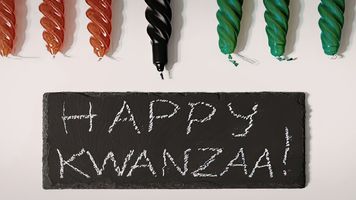
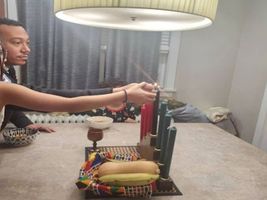
The Kwanzaa kinara holds seven candles, which are arranged in the symbolic colors of red, black, and green. These Kwanzaa candle colors are deeply meaningful, with the black candle symbolizing the people, the red candles representing the struggles of our ancestors, and the green candles symbolizing the rich resources of Africa and the hope for our future. Together, these candles are referred to as the Mishumaa Saba, which represent the seven guiding principles of Kwanzaa, also known as the Nguzo Saba.